
.jpeg)
Osimertinib/Tagrisso Instructions Analysis: Targeted Treatment Options for Patients with Non-Small Cell Lung Cancer
Osimertinib/Tagrisso (Osimertinib) is an advanced targeted drug mainly used to treat non-small cell lung cancer (NSCLC). Its English name is Osimertinib, which belongs to the mesylate class of drugs and is designed to target specific epidermal growth factor receptor (EGFR) mutations, especially exon 19 deletion and exon 21 L858R mutation. These mutations are very common in patients with non-small cell lung cancer, so osimertinib has a wide range of applications and provides an effective treatment option for many patients.
In terms of indications, osimertinib is approved for use in multiple clinical scenarios.
1. As an adjuvant treatment after surgery, it is suitable for adult patients who have undergone tumor resection. The tumors of these patients must have EGFR exon 19 deletion or exon 21 L858R mutation. The use of osimertinib can effectively reduce the risk of disease recurrence.
2. Osimertinib is also used as the first-line treatment for patients with metastatic non-small cell lung cancer, especially those who also have EGFR exon 19 deletion or exon 21 L858R mutation. In this case, osimertinib can help improve the patient's quality of life and survival.
3. In addition, osimertinib can also be used in combination with pemetrexed and platinum-based chemotherapy drugs as a first-line treatment for adult patients with locally advanced or metastatic non-small cell lung cancer. This combination therapy provides patients with more comprehensive treatment options, especially when facing complex tumor progression.
4. Osimertinib is also an effective treatment option for patients with metastatic EGFR T790M mutation-positive disease who progress during or after EGFR tyrosine kinase inhibitor (TKI) treatment.
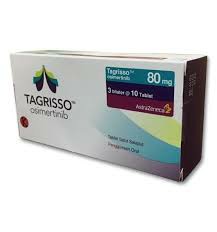
In terms of usage and dosage, the recommended dose of osimertinib is 80 mg orally once daily. For adjuvant treatment of early-stage NSCLC, the drug should be continued until disease relapse, unacceptable toxicity occurs, or for up to 3 years. For patients with metastatic non-small cell lung cancer, osimertinib is also taken orally at 80 mg once a day until disease progression or intolerable side effects occur. The drug can be taken before or after meals. Patients should follow the doctor's guidance during use and undergo regular medical monitoring to ensure the effectiveness and safety of the treatment.
It is worth noting that although osimertinib has produced positive therapeutic effects in many patients, some adverse reactions may still occur, including rash, diarrhea, fatigue, etc. Therefore, during treatment, patients need to maintain close communication with their doctors and handle any uncomfortable symptoms in a timely manner. At the same time, before starting treatment, the medical team usually conducts genetic testing to confirm whether the patient has an EGFR mutation suitable for osimertinib, thereby improving the success rate of treatment.
In summary, osimertinib, as a targeted therapy, provides a new option for patients with non-small cell lung cancer. Its clear indications and scientific usage and dosage have made this drug widely recognized clinically. With the continuous deepening of medical research, we look forward to the emergence of more innovative drugs in the future, bringing greater hope and survival opportunities to cancer patients.
Reference materials:https://go.drugbank.com/drugs/DB09330
[ 免责声明 ] 本页面内容来自公开渠道(如FDA官网、Drugs官网、原研药厂官网等),仅供持有医疗专业资质的人员用于医学药学研究参考,不构成任何治疗建议或药品推荐。所涉药品可能未在中国大陆获批上市,不适用于中国境内销售和使用。如需治疗,请咨询正规医疗机构。本站不提供药品销售或代购服务。


