
.jpeg)
Scientific control of anticancer drugs: full spectrum of side effects and countermeasures during trametinib treatment
Trametinib (Trametinib) is an emerging targeted drug in the field of cancer treatment and belongs to the MEK inhibitor class. It blocks the conduction of the RAF-MEK-ERK signaling pathway by specifically inhibiting the activity of MEK1 and MEK2, which plays a key role in cell proliferation, survival and differentiation.
As a highly effective targeted drug, although its efficacy is remarkable, its side effects cannot be ignored. Common adverse reactions include rash, diarrhea, fatigue, nausea, and headache, which are usually mild and can be relieved by symptomatic management. However, some patients may experience more serious side effects and require special attention.
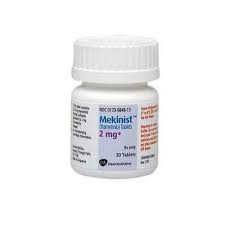
First of all, trametinib may cause interstitial lung disease (ILD), manifested as dyspnea or cough, with an incidence rate of approximately 1.8%. Once diagnosed, the medication must be permanently discontinued and supportive care must be taken. Secondly, cardiotoxicity is another serious risk, including QT interval prolongation and reduced left ventricular ejection fraction, and patients need to regularly monitor electrocardiogram and cardiac function. In addition, when used in combination with dabrafenib, fever is a common side effect, with an incidence rate of about 27.3%. It can usually be controlled with antipyretic drugs, but persistent high fever requires vigilance for other complications.
Skin toxicities are also common, including severe rash, dry skin, and photosensitivity reactions. Patients need to avoid direct sunlight and use moisturizing skin care products to relieve symptoms. In addition, trametinib may increase the risk of venous thromboembolism, especially in patients with a history of thrombosis, and platelet count and coagulation function need to be monitored regularly.
Generally speaking, the side effects of trametinib need to be managed under the guidance of a doctor, and patients should follow up regularly and report abnormal symptoms in a timely manner. Through scientific monitoring and intervention, the impact of side effects on quality of life can be minimized while ensuring therapeutic efficacy.
Reference: https://go.drugbank.com/drugs/DB08911
[ 免责声明 ] 本页面内容来自公开渠道(如FDA官网、Drugs官网、原研药厂官网等),仅供持有医疗专业资质的人员用于医学药学研究参考,不构成任何治疗建议或药品推荐。所涉药品可能未在中国大陆获批上市,不适用于中国境内销售和使用。如需治疗,请咨询正规医疗机构。本站不提供药品销售或代购服务。


