
.jpeg)
Does Brivaracetam affect driving ability?
Brivaracetam (Brivaracetam) is an anticonvulsant drug used to treat epilepsy. It mainly modulates the excitability of neurons by selectively binding to synaptic vesicle protein 2A (SV2A), thereby reducing epileptic seizures. Because this drug has a certain central nervous system (CNS) depressant effect, it may affect the patient's ability to drive and operate complex machinery.
1. Effects on alertness and reaction speed: Brivaracetam may cause drowsiness, dizziness, fatigue and decreased concentration. These side effects will affect the patient's alertness and reaction speed. Driving requires quick judgment and coordinated movements, and if patients experience drowsiness or cognitive decline while taking the drug, the risk of traffic accidents may increase.
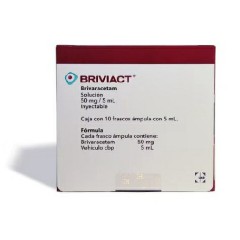
2. Individual differences and tolerance: Different patients have different tolerances to brivaracetam. Some patients may experience significant drowsiness or dizziness in the early stages of taking the medication, and these symptoms may lessen as the body adapts. Therefore, patients are advised to avoid driving when first starting the medication or adjusting the dose until they are sure they can operate a vehicle safely.
3. Other neurological side effects: In addition to drowsiness and dizziness, brivaracetam may cause mood changes, irritability, or depression, affecting concentration and decision-making. If the patient feels emotionally unstable or has an abnormal mental state while taking the medication, he should also avoid driving to prevent accidents.
4. Driving advice while taking medicine: Patients taking brivaracetam should evaluate their driving ability under the guidance of a doctor. If the patient has no significant central nervous system side effects and the epilepsy is well controlled, driving may be considered. However, if you experience drowsiness, dizziness, or cognitive impairment, you should avoid driving until your symptoms resolve or your doctor confirms it is safe.
Brivaracetam may affect driving ability, mainly manifested by drowsiness, dizziness, and decreased concentration. Patients should avoid driving during the initial period of taking the drug or when adjusting the dose, and closely observe their own reactions. If symptoms continue to affect safe driving, you should consult your doctor to adjust your treatment plan.
[ 免责声明 ] 本页面内容来自公开渠道(如FDA官网、Drugs官网、原研药厂官网等),仅供持有医疗专业资质的人员用于医学药学研究参考,不构成任何治疗建议或药品推荐。所涉药品可能未在中国大陆获批上市,不适用于中国境内销售和使用。如需治疗,请咨询正规医疗机构。本站不提供药品销售或代购服务。


