
.jpeg)
How effective is filazonatant in women?
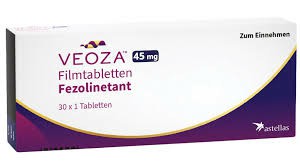
Fezolinetant is a selective neurokinin 3 (NK3) receptor antagonist that is mainly used to relieve hot flashes (hot flashes) and night sweats (vasomotor symptoms, VMS) caused by declining estrogen levels in menopausal women. Its mechanism of action is different from traditional hormone replacement therapy (HRT). It does not involve estrogen supplementation, but reduces the frequency and severity of hot flashes by regulating the temperature regulation center in the hypothalamus of the brain. Therefore, fezonatant has shown good efficacy in menopausal women and provides a new option for patients who are not suitable or unwilling to use hormone therapy.
1. Effects of Fezonatant on Hot Flashes and Night Sweats
Menopausal hot flashes and night sweats are caused by falling estrogen levels that lead to an imbalance in the hypothalamic neurokinin system, which affects body temperature regulation. Fezonatant blocks the NK3 NK3 receptor and reduces the abnormal signal transmission of neurokinins, thereby restoring the body temperature regulation function and reducing the frequency and intensity of hot flashes.
Clinical studies have shown that in women treated with fezonatant, the number and severity of hot flashes significantly decreased within one to two weeks after starting treatment and continued to improve throughout subsequent treatment. For example, in a randomized, double-blind, placebo-controlled Phase III clinical trial (SKYLIGHT 1 and SKYLIGHT 2), women taking fezonatant experienced a significant reduction in the frequency and severity of hot flash symptoms at 4 weeks and 12 weeks. In addition, long-term follow-up showed that after the treatment continued for 48 weeks, the patient's quality of life further improved, and the symptom relief effect was stable.
2. Improvement of sleep quality and quality of life
Menopausal hot flashes and night sweats not only affect women's physiological state, but can also lead to sleep disorders, anxiety, irritability, and reduced quality of life. Night sweats can cause frequent awakenings and interfere with deep sleep, causing daytime fatigue and cognitive decline.
Studies have found that filazonatant can not only reduce night sweats, but also significantly improve sleep quality. In the SKYLIGHT 1 and SKYLIGHT 2 trials, women taking fezonatant experienced improvements in subjective sleep scores, including shorter time to fall asleep, fewer nighttime awakenings, and increased overall sleep satisfaction. Compared with the placebo group, women who received filzonitant experienced less daytime fatigue and improved mental status.
In addition, the reduction of hot flashes also makes patients more comfortable in work, social activities and daily life, and reduces the symptoms of anxiety and mood swings, allowing menopausal women to adapt to the changes in this physiological stage more smoothly.
3. Comparison with hormone replacement therapy (HRT)
Traditional hormone replacement therapy (HRT) relieves menopausal symptoms by supplementing estrogen (sometimes combined with progesterone). However, HRT may increase the risk of breast cancer, cardiovascular disease, or venous thrombosis in some patients and is not suitable for all women, especially those with related medical conditions or high-risk factors.
The biggest advantage of filazonatant compared with HRT is that it does not involve estrogen supplementation, so it does not increase the risk of hormone-related cancer or blood clots. This makes fezonatant an ideal choice for women who are contraindicated or unwilling to undergo HRT treatment.
However, it is important to note that HRT may have some protective effects against menopausal-related problems such as osteoporosis and genitourinary atrophy, whereas zonatant primarily targets hot flashes and vasomotor symptoms. Therefore, doctors need to consider the patient's specific situation when selecting treatment options, and may need to use a combination of other treatments to manage the overall health issues of menopause.
4. Safety and Tolerability
Clinical trials have shown that filzonitant is generally well tolerated and has few side effects. The most common adverse reactions include headache, fatigue, nausea and diarrhea, but most symptoms are mild and do not affect patients' daily life. Additionally, long-term safety studies found no adverse effects on the endometrium, breast, or cardiovascular system.
It is worth noting that since the mechanism of action of fezonatant involves the neurokinin system, it may theoretically affect other neuromodulatory functions. Therefore, although there are currently no clear long-term safety concerns, further research is needed to evaluate the safety of its long-term use.
Fezolinetant (Fezolinetant) has shown good efficacy in women, especially in relieving menopausal hot flashes and night sweats. Its mechanism of action is different from hormone replacement therapy, providing a safe and effective option for women who are not suitable or unwilling to use estrogen. In addition, filazonatant improves sleep quality and reduces anxiety and mood swings, thereby improving women's quality of life.
andHRTIn contrast, fezonatant does not involve estrogen supplementation and therefore has a better safety profile in women who are at higher risk for breast cancer or are at risk for blood clots. However, because its effect mainly targets vasomotor symptoms and has limited impact on osteoporosis or genitourinary tract atrophy, other menopausal health management measures may need to be considered during treatment.
Overall, fizonatant provides menopausal women with a new, effective and safe non-hormonal treatment option with significant value in improving vasomotor symptoms and overall quality of life. Future studies are needed to further evaluate its long-term safety and explore its potential for use in a broader group of women.
[ 免责声明 ] 本页面内容来自公开渠道(如FDA官网、Drugs官网、原研药厂官网等),仅供持有医疗专业资质的人员用于医学药学研究参考,不构成任何治疗建议或药品推荐。所涉药品可能未在中国大陆获批上市,不适用于中国境内销售和使用。如需治疗,请咨询正规医疗机构。本站不提供药品销售或代购服务。


