
.jpeg)
What liver problems should we pay attention to when using pitobrutinib?
Pirtobrutinib is a selective BTK inhibitor mainly used to treat diseases such as chronic lymphocytic leukemia (CLL) and small lymphocytic lymphoma (SLL). Although pitobrutinib has significant antitumor activity, its use requires special attention, especially in the liver. The following are some liver-related considerations when using pitobrutinib.
1. Liver function monitoring: Pitobrutinib may have a certain impact on the liver during treatment. Therefore, patients need to regularly monitor liver function during treatment, including measuring liver enzymes (such as ALT, AST) and bilirubin levels. Especially for those patients with abnormal liver function, doctors need to conduct a detailed liver function assessment before starting treatment, and adjust the dose or conduct further examinations according to the situation. For patients whose liver function is severely affected, treatment suspension or other interventions may be necessary.
4. Hepatic metabolism of Pitobrutinib: The metabolism of Pitobrutinib in the body is mainly carried out by the liver, so the state of liver function directly affects the metabolism and clearance of the drug. Patients with liver insufficiency may increase the concentration of the drug in the body, thereby increasing the chance of side effects. Therefore, caution should be used when using pitobrutinib in patients with liver disease, especially those with moderate to severe hepatic impairment, and dose adjustment or alternative treatment options may be necessary. Regular liver function tests are essential to assess drug metabolism and ensure the safety of treatment.
Overall, although the hepatotoxicity of pitobrutinib is relatively low, liver function still needs to be closely monitored during use, especially for patients with existing liver problems. The risk of adverse liver reactions can be minimized through regular monitoring and timely adjustments to treatment regimens.
1. Liver function monitoring: Pitobrutinib may have a certain impact on the liver during treatment. Therefore, patients need to regularly monitor liver function during treatment, including measuring liver enzymes (such as ALT, AST) and bilirubin levels. Especially for those patients with abnormal liver function, doctors need to conduct a detailed liver function assessment before starting treatment, and adjust the dose or conduct further examinations according to the situation. For patients whose liver function is severely affected, treatment suspension or other interventions may be necessary.
2. Hepatotoxic reactions: Pitobrutinib, like other BTK inhibitors, may cause hepatotoxic reactions. Although such side effects are relatively rare, some patients may still experience abnormal liver function or liver-related symptoms, such as jaundice and upper abdominal discomfort. If patients develop these symptoms during treatment, they should report to the doctor as soon as possible and take necessary intervention measures. If liver toxicity is severe, medication may need to be stopped and appropriate treatment given to relieve symptoms.
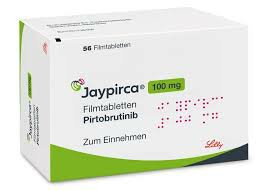
4. Hepatic metabolism of Pitobrutinib: The metabolism of Pitobrutinib in the body is mainly carried out by the liver, so the state of liver function directly affects the metabolism and clearance of the drug. Patients with liver insufficiency may increase the concentration of the drug in the body, thereby increasing the chance of side effects. Therefore, caution should be used when using pitobrutinib in patients with liver disease, especially those with moderate to severe hepatic impairment, and dose adjustment or alternative treatment options may be necessary. Regular liver function tests are essential to assess drug metabolism and ensure the safety of treatment.
Overall, although the hepatotoxicity of pitobrutinib is relatively low, liver function still needs to be closely monitored during use, especially for patients with existing liver problems. The risk of adverse liver reactions can be minimized through regular monitoring and timely adjustments to treatment regimens.
[ 免责声明 ] 本页面内容来自公开渠道(如FDA官网、Drugs官网、原研药厂官网等),仅供持有医疗专业资质的人员用于医学药学研究参考,不构成任何治疗建议或药品推荐。所涉药品可能未在中国大陆获批上市,不适用于中国境内销售和使用。如需治疗,请咨询正规医疗机构。本站不提供药品销售或代购服务。


