
.jpeg)
What is the difference between molotinib/mometinib and ruxolitinib?
Momelotinib and ruxolitinib are two important drugs for myelofibrosis (MF). They have significant differences in mechanisms, efficacy, side effects, and clinical applications. MF is a myeloproliferative neoplasm characterized by anemia, extramedullary hematopoiesis, splenomegaly, and systemic symptoms such as fatigue and weakness. Treatment of this disease can help improve patients' quality of life, and currently the only FDA-approved treatment is ruxolitinib.
Ruxolitinib, as a selectiveJAK1/2 inhibitor , is widely used in clinical practice to treat MF. It effectively controls splenomegaly and systemic symptoms regardless of whether the patient has a JAK2 mutation. However, the use of ruxolitinib is also associated with certain side effects, mainly including hematological adverse events such as anemia and thrombocytopenia. These side effects may cause patients to need to adjust the dosage or interrupt treatment. Although this drug has shown good efficacy in improving symptoms, the occurrence of side effects has created a clinical need for new treatment options that can improve patient symptoms while reducing the toxicities associated with existing therapies.
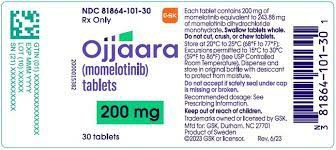
In comparison, molotinib, as an oral small molecule under research JAK inhibitor, is significantly more selective than other kinases, especially while inhibiting JAK1 and JAK2, it also acts on the bone morphogenetic protein receptor kinase activin A receptor (ACVR1). Preclinical studies have shown that molotinib can inhibit the signaling pathway related to hepcidin expression in the liver, thereby improving the availability of iron during erythropoiesis. This property makes molotinib have certain potential in solving the common anemia problem in MF patients.
In a Phase I/II clinical study for MF, molotinib showed significant efficacy, especially in reducing spleen volume and improving symptoms associated with MF. At the same time, the results also showed that patients using molotinib had a reduced need for red blood cell transfusions, which is particularly important in the management of MF patients because anemia is often one of the main factors leading to a decrease in patients' quality of life.
In addition, molotinib may have advantages over ruxolitinib in terms of tolerability and frequency of adverse events. Due to the unique mechanism of molotinib, it may alleviate the inhibitory effect on blood cell production while improving splenomegaly and symptoms, thereby reducing the risk of anemia and thrombocytopenia. This means that molotinib may become a safer and more effective treatment option for MF patients who suffer from anemia.
In clinical application, doctors need to choose appropriate treatment options based on the specific conditions of the patient. For those patients who have already experienced serious adverse effects from ruxolitinib, they may consider switching to molotinib in the hope of achieving better treatment results and fewer side effects. In addition, as research on these two drugs deepens, more targeted treatment strategies may emerge in the future to better meet the needs of MF patients.
Reference materials:https://pmc.ncbi.nlm.nih.gov/articles/PMC6553796/
[ 免责声明 ] 本页面内容来自公开渠道(如FDA官网、Drugs官网、原研药厂官网等),仅供持有医疗专业资质的人员用于医学药学研究参考,不构成任何治疗建议或药品推荐。所涉药品可能未在中国大陆获批上市,不适用于中国境内销售和使用。如需治疗,请咨询正规医疗机构。本站不提供药品销售或代购服务。


