
.jpeg)
Osimertinib/Tagrisso as an inhibitor of targeted drugs
In the field of cancer treatment, significant progress has been made in the development and application of targeted drugs. Osimertinib/Tagrisso (Osimertinib) is a targeted therapy drug that belongs to the third generation EGFR tyrosine kinase inhibitor (TKI). Compared with the previous two generations of targeted drugs, osimertinib shows superior characteristics in terms of therapeutic effect and drug resistance, and therefore is widely used in the treatment of non-small cell lung cancer (NSCLC).
The working mechanism of Osimertinib is mainly by targeting tumor cells in patients with epidermal growth factor receptor (EGFR) mutations, thereby effectively preventing the proliferation and spread of tumors. Especially for patients with T790M resistance mutation, osimertinib has shown good clinical efficacy, which is not available in previous second-generation drugs. Although second-generation TKIs have achieved certain results in some patients with EGFR mutations, their effects are limited when faced with T790M mutations. Therefore, the advent of osimertinib provides a new treatment option for these patients.
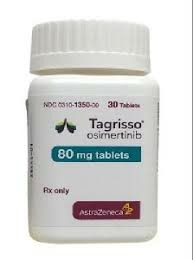
Compared with earlier targeted drugs, the advantages of osimertinib are not only reflected in the ability to combat drug-resistant mutations, but also include better tolerability and fewer side effects. Studies have proven that the incidence of side effects of osimertinib is relatively low. When patients receive this drug, common adverse reactions such as rash and diarrhea are relatively mild, and most patients can tolerate it well. In addition, osimertinib has been shown to prolong overall survival and progression-free survival in clinical trials, making it an attractive option in the treatment of patients with advanced NSCLC.
Although osimertinib has achieved impressive results as a third-generation targeted drug, in clinical practice, it is still necessary to pay attention to the individual responses of different patients to the drug and possible drug resistance issues. Over time, tumor cells may become drug-resistant again, which has prompted the development of subsequent, higher-generation targeted drugs.
Reference materials:https://pubmed.ncbi.nlm.nih.gov/27910964/
[ 免责声明 ] 本页面内容来自公开渠道(如FDA官网、Drugs官网、原研药厂官网等),仅供持有医疗专业资质的人员用于医学药学研究参考,不构成任何治疗建议或药品推荐。所涉药品可能未在中国大陆获批上市,不适用于中国境内销售和使用。如需治疗,请咨询正规医疗机构。本站不提供药品销售或代购服务。


