
.jpeg)
Which generation of targeted drug is fostamatinib?
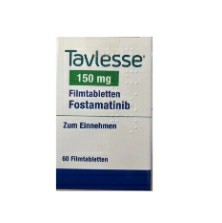
Fostamatinib (Fostamatinib) is an oral small molecule drug mainly used to treat chronic idiopathic thrombocytopenic purpura (ITP) and other diseases. Its mechanism of action is mainly by inhibiting tyrosine kinase SYK (Spleen Tyrosine Kinase), affecting the activity of the immune system, thereby promoting the production of platelets and reducing platelet destruction.
From the classification of targeted drugs, fotantinib is considered a first-generation targeted drug. In the development process of anti-tumor drugs, targeted drugs are generally divided into several generations, mainly based on their target specificity, mechanism of action, and breadth of clinical application. The first generation of targeted drugs usually target a single target and are relatively simple in design, so they are relatively easy to develop and apply.
Fortantinib has shown good efficacy in clinical trials, especially in the treatment of ITP patients who are refractory to traditional treatments. Clinical studies have shown that fotantinib can significantly increase platelet counts, thereby improving patients' quality of life. In addition, its safety has been fully verified. Although there are still some side effects, such as diarrhea, hypertension, etc., it is better tolerated than other treatments.
With in-depth research on fotantinib and its mechanism of action, the related application fields are also expanding, not onlyITP, but may also involve other immune-related diseases. The success of fotantinib exemplifies the importance of targeted therapy in today's medicine, especially when dealing with some complex and difficult-to-treat diseases, and it provides patients with new treatment options.
In the future, with the advancement of science and technology, the research and development of targeted drugs will become more refined and personalized. As a first-generation targeted drug, fotantinib will undoubtedly lay the foundation for subsequent drug development. Researchers are also exploring its potential in combination with other treatments in order to achieve better therapeutic effects.
Reference materials:https://pmc.ncbi.nlm.nih.gov/articles/PMC3533134/
[ 免责声明 ] 本页面内容来自公开渠道(如FDA官网、Drugs官网、原研药厂官网等),仅供持有医疗专业资质的人员用于医学药学研究参考,不构成任何治疗建议或药品推荐。所涉药品可能未在中国大陆获批上市,不适用于中国境内销售和使用。如需治疗,请咨询正规医疗机构。本站不提供药品销售或代购服务。


