
.jpeg)
Are there any special precautions for the use of lomustine capsules in children and elderly patients?
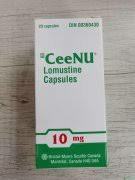
Lomustine capsule (Lomustine) is a chemotherapy drug commonly used to treat various malignant tumors, especially in the treatment of brain tumors, lymphoma and other cancers. However, there are some special precautions for the use of lomustine in children and elderly patients, which need to be individualized according to the patient's specific age, physical condition and drug resistance. The following are special precautions for use of lomustine capsules in children and elderly patients:
1. Precautions for use in pediatric patients
Lomustine is relatively rarely used in children, mainly because children's metabolic and physiological characteristics are different from adults, and the long-term toxic effects of lomustine may have a potential impact on children's growth and development.
Drug dosage: Children have smaller weight and body surface area than adults, so when using lomustine, the dosage of the drug usually needs to be adjusted based on the child's body surface area (BSA). Usually, doctors will determine the optimal dose based on the child's specific condition to reduce adverse drug reactions. When using lomustine in pediatric patients, the doctor's instructions and monitoring must be strictly followed.
Toxic reactions: When using lomustine, pediatric patients need to pay special attention to the bone marrow suppression effect of the drug. Since children's immune system and bone marrow development are not yet fully mature, lomustine may cause more serious side effects such as leukopenia and thrombocytopenia. Therefore, regular blood routine monitoring is required to ensure normal bone marrow function.
Effects on growth and development: Due to the certain toxicity of lomustine, long-term use may have an impact on the growth and development of children. Especially for children who are still in the developmental stage, long-term use of drugs may interfere with the normal division of cells and growth of tissues, affecting the development of bones, organs, and immune systems. Therefore, when pediatric patients receive lomustine, they should be closely monitored by a professional physician to ensure that the impact of the drug on growth and development is minimized.
Other side effects: Children’s gastrointestinal function may be more sensitive to the side effects of lomustine, so special attention should be paid to the occurrence of adverse reactions such as nausea and vomiting. To reduce these discomforts, your doctor may prescribe anti-vomiting medications and adjust your treatment plan as needed.
2. Precautions for use in elderly patients
When elderly patients use lomustine, they also need to consider age-related physiological changes, such as decline in liver and kidney function, weakened immune function, etc. These factors may affect the metabolism and excretion of the drug and increase the risk of adverse reactions.
Dose adjustment: Liver and kidney function in elderly patients often gradually decline with age. Since lomustine is mainly metabolized by the liver and excreted by the kidneys, hepatic and renal insufficiency may lead to accumulation of the drug in the body, thereby increasing its toxicity. To avoid this situation, when elderly patients use lomustine, the dose usually needs to be adjusted based on the results of liver and kidney function tests. A lower starting dose may be required, and drug concentrations must be closely monitored during treatment.
Myelosuppression: Elderly patients usually have weaker bone marrow function and slower immune system responses. Therefore, lomustine may cause more significant bone marrow suppression, especially leukopenia and thrombocytopenia. Elderly patients may be more susceptible to complications such as infection or bleeding, so special attention needs to be paid to monitoring blood routine during treatment to ensure timely detection of signs of bone marrow suppression.
Comorbidities and drug interactions: Elderly patients often suffer from multiple chronic diseases, such as hypertension, diabetes, cardiovascular disease, etc., and often need to take multiple medications. Lomustine may interact with other medications, affecting its efficacy or increasing side effects. Therefore, when formulating treatment plans for elderly patients, doctors need to comprehensively consider the patient's underlying diseases and drug usage, avoid adverse interactions between drugs, and make necessary dosage adjustments.
Physical function and quality of life: Due to the decline in physical function of the elderly, the use of lomustine may produce more significant side effects, such as fatigue, nausea, loss of appetite, etc., which in turn affects the patient's quality of life. Therefore, the treatment plan for elderly patients usually needs to be combined with supportive care, such as anti-vomiting drugs, enhanced nutrition, etc., to help patients better cope with the discomfort during treatment.
In summary, lomustine capsules need to be used with special caution in children and elderly patients. Taking into account the growth and development of children and the various age-related problems of elderly patients, the treatment plan needs to be individually adjusted. Whether children or elderly patients, strict monitoring is required during treatment, including blood routine, liver and kidney function and drug side effects to ensure the safety and effectiveness of the drug. Patients and their families should maintain close communication with their doctors and adjust treatment plans in a timely manner to achieve the best treatment results.
[ 免责声明 ] 本页面内容来自公开渠道(如FDA官网、Drugs官网、原研药厂官网等),仅供持有医疗专业资质的人员用于医学药学研究参考,不构成任何治疗建议或药品推荐。所涉药品可能未在中国大陆获批上市,不适用于中国境内销售和使用。如需治疗,请咨询正规医疗机构。本站不提供药品销售或代购服务。


