
.jpeg)
What are the possible interactions between lomustine capsules and other medications?
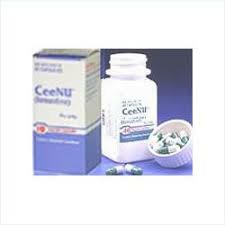
Lomustine capsules (Lomustine), as a chemotherapy drug, may interact with other drugs, affecting the efficacy of the drug or increasing adverse reactions. Therefore, patients should inform their doctor about all medications they are taking during treatment, including prescription drugs, over-the-counter drugs, herbal remedies, and supplements. Here are some common interactions that lomustine may occur with other medications:
1. Interaction with myelosuppressive drugs: Lomustine has a strong myelosuppressive effect, especially the reduction of white blood cells and platelets. When used in combination with other drugs that have myelosuppressive effects (such as cyclophosphamide, fludarabine and other chemotherapy drugs), the degree of myelosuppression may be aggravated, causing patients to develop more severe symptoms such as anemia, leukopenia, or thrombocytopenia. In order to reduce this risk, patients need to undergo regular blood tests to ensure that bone marrow function is not excessively suppressed. When combined medication is required, doctors will adjust the drug dosage and treatment plan according to the patient's specific conditions.
2. Interaction with liver metabolic enzyme inhibitors: Lomustine is mainly metabolized by the liver in the body, and the enzyme system in the liver (especially the CYP450enzyme system) is involved in the metabolism of lomustine. Certain drugs, such as ketoconazole, itraconazole and other antifungal drugs, may inhibit the activity of CYP450 enzymes in the liver, thereby slowing down the metabolism of lomustine, resulting in an increase in the concentration of the drug in the body, increasing the risk of toxicity and side effects. For patients taking these drugs, doctors may recommend monitoring lomustine blood levels and adjusting the dose if necessary.
3. Interactions with anticoagulant drugs: Lomustine may affect the coagulation function of the blood, which may lead to an increased risk of bleeding, especially when used for a long time. When used in combination with anticoagulant drugs (such as warfarin, apixaban, etc.), the anticoagulant effect may be enhanced, resulting in an increased risk of bleeding. If patients are taking anticoagulant drugs while receiving lomustine, their coagulation function needs to be closely monitored, especially the INR (international normalized ratio), and the dose of anticoagulant drugs should be adjusted according to the situation.
4. Interaction with immunosuppressants: Immunosuppressive drugs (such as cyclosporine, tacrolimus, etc.) are usually used to prevent rejection after organ transplantation or to treat certain autoimmune diseases. Because lomustine has a suppressive effect on the immune system, when used in combination with these immunosuppressants, it may lead to further exacerbation of the immunosuppressive effect and increase the risk of infection. If patients need to use immunosuppressants while taking lomustine, they must adjust the drug treatment plan under the guidance of a doctor and conduct regular infection monitoring.
In general, the interaction between lomustine and other drugs may affect its efficacy or increase side effects. Therefore, you should maintain communication with your doctor and pharmacist during the treatment process, and adjust the drug regimen in a timely manner to ensure the safety and effectiveness of the treatment.
xa0
[ 免责声明 ] 本页面内容来自公开渠道(如FDA官网、Drugs官网、原研药厂官网等),仅供持有医疗专业资质的人员用于医学药学研究参考,不构成任何治疗建议或药品推荐。所涉药品可能未在中国大陆获批上市,不适用于中国境内销售和使用。如需治疗,请咨询正规医疗机构。本站不提供药品销售或代购服务。


