
.jpeg)
What is the dosage and method of taking lomustine capsules?
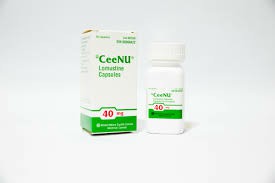
Lomustine capsule (Lomustine) is a chemotherapy drug commonly used to treat various malignant tumors, especially playing an important role in the treatment of brain tumors, Hodgkin lymphoma and non-Hodgkin lymphoma. Proper dosage and administration are crucial to ensure drug efficacy and reduce side effects. Below are detailed instructions for dosage and administration of lomustine capsules:
1. Standard dosage of lomustine capsules
The dose of lomustine is usually adjusted individually based on factors such as the patient's weight, disease type, severity of disease, and drug resistance. During treatment, dosage is typically optimized based on the patient's clinical response and tolerability. The following are common dosage recommendations:
Brain Tumors: For the treatment of primary brain tumors (such as gliomas), the usual dose of lomustine is 100 mg per square meter of body surface area (BSA), usually taken orally every 4 to 6 weeks. Dosage may be adjusted based on patient tolerance.
Hodgkin lymphoma: In the treatment of Hodgkin lymphoma, the usual dose of lomustine is 130 mg per square meter of body surface area, usually once every 28 days. In this treatment regimen, lomustine is often used in combination with other chemotherapy drugs to enhance its effectiveness.
Non-Hodgkin lymphoma: For non-Hodgkin lymphoma, the dose is usually 100 mg per square meter of body surface area every 4 to 6 weeks. Patients will make appropriate adjustments according to changes in their condition during treatment.
2. Dose adjustment and individualized treatment
The dose of lomustine usually needs to be adjusted based on the patient's clinical response and the occurrence of side effects. Common adjustment factors include:
Hematological toxicity: Because lomustine may cause bone marrow suppression, especially leukopenia, thrombocytopenia, etc., patients need to undergo regular blood tests during treatment. If an abnormal number of blood cells is found, the doctor may adjust the drug dose or postpone the next dose based on the blood results.
Liver function: Lomustine has certain toxicity to the liver, so liver function needs to be monitored regularly during use. If the patient's liver function is impaired (such as elevated transaminases, jaundice, etc.), the dose may need to be reduced or the drug may be temporarily discontinued.
Kidney function: Although the metabolism of lomustine is primarily dependent on the liver, changes in renal function may also affect the excretion of the drug. Therefore, in patients with renal insufficiency, drug dosage may need to be adjusted accordingly.
In these cases, doctors will adjust the dosage based on the patient's specific condition to ensure the safety and effectiveness of the treatment.
3. How and when to take
Lomustine capsules are usually administered orally and should be used strictly in accordance with the instructions of your doctor. Here are some basic suggestions on how to take it:
Take on an empty stomach: Lomustine capsules should be taken on an empty stomach. Patients are advised to take the medication 1 hours before meals or 2 hours after meals to ensure optimal absorption of the medication. If taken with food, the absorption rate of the drug may be affected, thereby reducing its efficacy.
Whole drug: Lomustine capsules should be swallowed whole. Avoid chewing or crushing the drug, as this may affect the release and absorption of the drug. When swallowing, you can use water to help the medicine go down smoothly.
Dosage frequency: Lomustine is usually taken every 4 to 6 weeks, depending on the patient's condition and the recommendations of the doctor. During treatment, patients should follow the doctor's guidance for regular follow-up visits and blood tests to evaluate the efficacy and side effects of the drug.
4. Precautions during use
Avoid combined use with other drugs: When taking lomustine, patients need to pay special attention to drug interactions. Some drugs may affect the metabolism of lomustine or increase its side effects, such as certain antibiotics, antifungals, and antiviral drugs. Therefore, patients should consult their doctor or pharmacist in advance before using any new medication.
Regular examination and follow-up: During lomustine treatment, patients should regularly monitor blood routine, liver function and renal function to detect side effects and adjust the treatment plan in a timely manner. Especially after taking the drug for the first time, patients should pay close attention to the body's reaction and report to the doctor promptly if any abnormalities occur.
Not suitable for long-term continuous use: Due to the certain toxicity of lomustine, patients usually do not use the drug continuously for a long time, but use it intermittently according to the treatment cycle (such as once every 4 to 6 weeks). This can help reduce the potential health risks of the drug.
5. Overdose and Treatment
If you accidentally take an overdose of lomustine, it may cause serious side effects, such as bone marrow suppression, liver damage, etc. At this time, you should contact a doctor immediately or go to the hospital for emergency treatment. Measures to treat overdose usually include symptomatic and supportive treatment, such as infusion, correction of electrolyte imbalance, and anti-infective treatment.
In short, the dosage and administration method of lomustine capsules need to be individually adjusted based on the patient's condition, weight, drug tolerance, and clinical response. Patients must strictly follow the doctor's instructions during treatment, undergo regular follow-up visits, and conduct relevant examinations to ensure the efficacy and safety of the drug.
[ 免责声明 ] 本页面内容来自公开渠道(如FDA官网、Drugs官网、原研药厂官网等),仅供持有医疗专业资质的人员用于医学药学研究参考,不构成任何治疗建议或药品推荐。所涉药品可能未在中国大陆获批上市,不适用于中国境内销售和使用。如需治疗,请咨询正规医疗机构。本站不提供药品销售或代购服务。


