
.jpeg)
What are the common side effects of taking lomustine capsules?
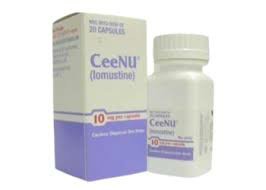
Lomustine capsules (Lomustine), as a chemotherapy drug, are widely used to treat various types of malignant tumors, such as brain tumors, Hodgkin lymphoma and non-Hodgkin lymphoma. Although lomustine can effectively inhibit the proliferation of tumor cells clinically, its side effects cannot be ignored. The following are common side effects of lomustine capsules, as well as some problems that patients may encounter during use.
1. Myelosuppression
Myelosuppression is one of the most common side effects of lomustine. Lomustine inhibits the proliferation of cancer cells through alkylation, and may also affect normal cells, especially hematopoietic cells in the bone marrow. Myelosuppression may cause a decrease in the number of white blood cells, red blood cells, and platelets in the blood, leading to a series of complications such as anemia, leukopenia, and thrombocytopenia. Anemia can cause a person to feel weak, short of breath, and dizzy; a decrease in white blood cells can make a person susceptible to infections, especially respiratory and urinary tract infections; and a decrease in platelets can cause bleeding and bruising. For patients who are being treated with lomustine, regular blood tests are required to monitor the levels of blood cells in order to adjust the treatment plan or take supportive treatment in a timely manner.
2. Hepatotoxicity
Lomustine has certain hepatotoxicity, especially when used for a long time or at high doses. The liver is the main organ for drug metabolism. Lomustine exerts its medicinal effects after being metabolized by the liver in the body, but it may also cause damage to liver cells. Hepatotoxicity is manifested by abnormal liver function indicators, such as elevated serum aminotransferases (ALT, AST), elevated bilirubin levels, etc. When liver damage is mild, there may be no obvious symptoms, but in severe cases, patients may develop symptoms such as jaundice, loss of appetite, nausea, and vomiting. If liver function is found to be impaired, medication should be suspended and liver protection treatment should be performed, and the medication regimen should be adjusted if necessary.
3. Digestive system reaction
Lomustine may also cause a range of digestive side effects. The most common manifestations are nausea, vomiting, and loss of appetite. Because lomustine is administered orally, these adverse effects are often most noticeable within a few hours of taking the drug. The occurrence of nausea and vomiting may reduce patients' treatment compliance. Therefore, in clinical treatment, some measures are often taken, such as giving anti-nausea drugs (such as5-HT3receptor antagonists) to relieve these symptoms. In addition, lomustine may cause abdominal pain, diarrhea or constipation, and some patients may experience gastrointestinal bleeding. Therefore, patients should pay attention to their gastrointestinal reactions while taking the medicine and inform their doctors in time.
4. Pulmonary toxicity
Although relatively rare, pulmonary toxicity from lomustine is a side effect that warrants caution. Pulmonary reactions may manifest as acute respiratory distress syndrome (ARDS) or interstitial lung disease, symptoms usually appear within weeks to months after using the drug. Symptoms of pulmonary toxicity include persistent cough, shortness of breath, chest pain, and fever. The risk of pulmonary reactions while using lomustine may be higher in some patients with a history of lung disease. Therefore, during the use of lomustine, especially patients on long-term treatment, lung health should be closely monitored, and patients should seek medical treatment promptly if they experience any discomfort.
5. Nervous system side effects
Lomustine may also affect the nervous system, and although this side effect is uncommon, it is still a cause for concern. Nervous system reactions may include headache, dizziness, fatigue, neuropathy, etc., manifested as numbness, tingling in the limbs, or difficulty in movement coordination. Some patients may experience sleep disorders, such as insomnia or drowsiness. Since these symptoms may cause trouble to the patient's daily life, the patient should communicate with the doctor during the medication process and make medication adjustments if necessary.
6. Immune system response
Lomustine may also cause impaired immune function by affecting the immune system. Due to the chemotherapy effects of lomustine, patients' immunity will be suppressed to a certain extent, which makes them more susceptible to various pathogens. Especially patients with leukopenia are prone to bacterial, viral or fungal infections. These infections may manifest as fever, chills, cough, urinary tract infection, etc. Patients should pay attention to avoid infection during treatment and take appropriate protective measures, such as wearing masks and washing hands frequently.
7. Other side effects
In addition to the common side effects mentioned above, lomustine may also cause some uncommon side effects, such as allergic reactions, hair loss, rash, etc. A small number of patients may experience systemic allergic reactions, such as difficulty breathing, facial swelling, and skin redness. If a severe allergic reaction occurs, the patient should stop taking the drug immediately and seek medical advice. In addition, long-term use of lomustine may increase the risk of secondary cancers, especially leukemia, so patients' health needs to be monitored regularly during treatment.
Lomustine capsules, as an effective chemotherapy drug, play an important role in the treatment of brain tumors, lymphoma and other malignant tumors. However, just like other chemotherapy drugs, lomustine is also associated with certain side effects, including bone marrow suppression, liver toxicity, digestive system discomfort, pulmonary toxicity, neurological symptoms, and immune system damage. During the treatment process, patients need to cooperate closely with their doctors, conduct regular blood tests and liver function monitoring, and promptly adjust the treatment plan when side effects are discovered. Through active prevention and management, most side effects can be effectively controlled, thereby helping patients better cope with treatment and improve their quality of life.
[ 免责声明 ] 本页面内容来自公开渠道(如FDA官网、Drugs官网、原研药厂官网等),仅供持有医疗专业资质的人员用于医学药学研究参考,不构成任何治疗建议或药品推荐。所涉药品可能未在中国大陆获批上市,不适用于中国境内销售和使用。如需治疗,请咨询正规医疗机构。本站不提供药品销售或代购服务。


