
.jpeg)
Eight major harms of Fostamatinib
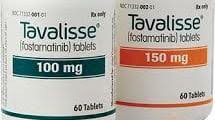
Fostamatinib (Fostamatinib), as a new drug, has shown good results in the treatment of chronic immune thrombocytopenia (ITP). However, like all medications, the use of fotantinib may be associated with some side effects and potential harms. For patients, understanding these possible harms is an important part of developing a treatment plan.
First, diarrhea is one of the most common side effects of fotantinib. Patients may experience varying degrees of diarrhea after taking this drug, which not only affects quality of life but may also lead to dehydration and electrolyte imbalance, the severity of which varies from person to person.
Secondly, high blood pressure is also a problem that needs attention. Fotantinib may increase blood pressure in patients and increase their risk of cardiovascular disease. Therefore, patients need to monitor their blood pressure regularly during treatment and communicate with their doctor whether the treatment plan needs to be adjusted.
Nausea is another common side effect, and some patients may experience nausea or even vomiting after taking fotantinib. This gastrointestinal reaction may affect the patient's appetite and nutritional intake, thereby affecting overall health.
The risk of respiratory tract infection is increased in patients taking fotantinib. Due to the regulatory effect of drugs on the immune system, patients may be more susceptible to viruses or bacteria during treatment, so it is particularly important to strengthen protection and promptly treat infections.
In addition, uncomfortable symptoms such as dizziness, increased liver enzymes, and rash may also occur. Dizziness may affect the patient's daily activities and safety, while elevated liver enzymes indicate that the liver may be damaged and liver function needs to be checked regularly to prevent potential liver problems.
Abdominal pain and fatigue are also concerns that patients taking fotantinib may face. Abdominal pain may be related to the reaction of the digestive system, while fatigue may affect the patient's quality of life and work efficiency. Patients in this situation should discuss this with their doctor to find appropriate relief.
Finally, chest pain and reduced white blood cell count are issues that cannot be ignored. Chest pain may be related to the cardiovascular system, and a reduced white blood cell count may lead to an increased risk of infection. Patients need to be monitored and managed accordingly under the guidance of a doctor.
Reference materials:https://dailymed.nlm.nih.gov/dailymed/drugInfo.cfm?setid=21149cc3-049b-43e2-b141-c9499160556c
[ 免责声明 ] 本页面内容来自公开渠道(如FDA官网、Drugs官网、原研药厂官网等),仅供持有医疗专业资质的人员用于医学药学研究参考,不构成任何治疗建议或药品推荐。所涉药品可能未在中国大陆获批上市,不适用于中国境内销售和使用。如需治疗,请咨询正规医疗机构。本站不提供药品销售或代购服务。


