
.jpeg)
Which is better, Selpercatinib or Platinib?
Selpercatinib/Selpercatinib and Pralsetinib are two new targeted therapy drugs, mainly targeting patients with non-small cell lung cancer (NSCLC) caused by RET gene rearrangement. Both drugs have been approved by the FDA and have shown good efficacy and safety in clinical practice, making them important options for the treatment of RET fusion-positive tumors.
First, in terms of indications, seputinib is approved for the treatment of metastaticRET fusion-positive non-small cell lung cancer, advanced or metastatic RET-altered medullary thyroid carcinoma (MTC), and anaplastic thyroid cancer. Platinib focuses on the treatment of RET fusion-positive non-small cell lung cancer. In recent years, its indications have also expanded to advanced or metastatic RET-altered MTC and papillary thyroid carcinoma (PTC). This difference in indications makes the two different in their use in specific patient groups.
In terms of drug mechanism, both seputinib and platinib are highly selective and potentRET tyrosine kinase inhibitors (TKIs) can effectively target the RET signaling pathway and block its abnormal activity in tumor cells, thereby inhibiting the growth and spread of tumors. Both drugs can penetrate the blood-brain barrier and effectively combat brain metastases, which is one of the common comorbidities in patients with RET fusion-positive tumors.
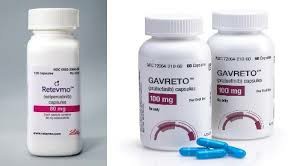
In terms of clinical efficacy, both seputinib and platinib have shown high objective response rates in multiple clinical trials. Studies have shown that both provide significant survival benefits in patients with RET fusion-positive non-small cell lung cancer. However, the specific efficacy may vary depending on individual differences among patients. Therefore, in clinical practice, doctors will choose appropriate drugs based on the patient's specific condition and previous treatment history.
In terms of safety, the side effect profiles of seputinib and platinib are similar, but there are some differences. The most common adverse reactions of seputinib include hypertension and increased liver function indicators (such as ALT and AST), while platinib is more likely to cause neutropenia, hypertension and anemia. In addition, the use of platinib is associated with a risk of interstitial lung disease or pneumonia, requiring particularly close monitoring. In contrast, patients taking seputinib need to be particularly concerned about QT prolongation, which may lead to cardiac arrhythmias.
Metabolism-wise, both drugs are metabolized in the liverMetabolism is carried out by CYP3A4 enzyme, which means that during use, the patient's liver function status and interactions with other drugs may affect the metabolism efficiency of the drug. Therefore, in clinical application, doctors need to comprehensively consider the patient's medication history and liver function to avoid potential adverse reactions.
In general, seputinib and platinib each have their own advantages and disadvantages, and the specific choice should be based on the patient's individual situation. When selecting a treatment plan, doctors usually evaluate the patient's disease characteristics, past treatment experience, and possible side effects to develop the best treatment plan. As clinical research continues to advance, there may be more data support in the future to help doctors make more precise choices between these two drugs.
Reference materials:https://pubmed.ncbi.nlm.nih.gov/36572992/
[ 免责声明 ] 本页面内容来自公开渠道(如FDA官网、Drugs官网、原研药厂官网等),仅供持有医疗专业资质的人员用于医学药学研究参考,不构成任何治疗建议或药品推荐。所涉药品可能未在中国大陆获批上市,不适用于中国境内销售和使用。如需治疗,请咨询正规医疗机构。本站不提供药品销售或代购服务。


