
.jpeg)
How to take filgotinib
Filgotinib (Filgotinib) is a drug used to treat rheumatoid arthritis and ulcerative colitis. Its dosage method needs to be determined according to the patient's specific condition. In clinical application, the dosage and management of filgotinib have certain standards.
For patients with rheumatoid arthritis (RA), the recommended dose of filgotinib is 200 mg once daily. This medication is indicated for adults who have an inadequate response to or are intolerant to one or more disease-modifying antirheumatic drugs (DMARDs). Patients can choose to use filgotinib alone or in combination with methotrexate (MTX) to enhance efficacy. During long-term treatment, doctors usually adjust the dosage based on the patient's response and recommend the lowest effective dose to reduce the risk of potential side effects.
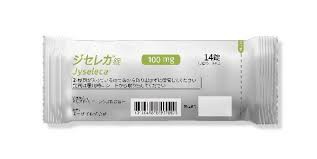
For patients with ulcerative colitis (UC), the recommended dose of filgotinib during the initial induction phase is also 200 mg once daily. If patients do not experience significant improvement within the first 10 weeks of treatment, an additional 12 weeks of induction therapy at 200 mg once daily may be considered to achieve further relief of symptoms. However, if no therapeutic effect is observed after 22 weeks of treatment, it is recommended to discontinue filgotinib. This measure is intended to avoid unnecessary drug exposure and associated side effects.
During the maintenance treatment phase, the recommended dose of filgotinib is still 200 mg once daily. At this time, patients should follow the doctor's guidance and use the lowest effective dose to ensure efficacy while reducing the occurrence of adverse reactions.
In terms of medication management, filgotinib is an oral preparation, and patients can choose to take it with food or on an empty stomach. Although it has not been fully studied whether splitting, crushing or chewing the tablet affects the effect of the drug, it is generally recommended that patients swallow the tablet whole to ensure effective absorption of the drug. In addition, patients need to be followed up regularly during the medication period and monitored by their doctors to detect and deal with any possible adverse reactions in a timely manner.
Reference materials:https://www.medicines.org.uk/emc/product/11809/smpc#gref
[ 免责声明 ] 本页面内容来自公开渠道(如FDA官网、Drugs官网、原研药厂官网等),仅供持有医疗专业资质的人员用于医学药学研究参考,不构成任何治疗建议或药品推荐。所涉药品可能未在中国大陆获批上市,不适用于中国境内销售和使用。如需治疗,请咨询正规医疗机构。本站不提供药品销售或代购服务。


