
.jpeg)
Axitinib/axitinib dosing strategy: Can the drug be discontinued?
Axitinib/Axitinib (Axitinib) is a targeted therapy for advanced renal cell carcinoma. Patients often have questions about discontinuation of treatment when receiving treatment. This article will explore axitinib persistence and its associated factors.
When formulating a treatment plan for axitinib, doctors will conduct individualized assessments based on the patient's specific conditions. This includes factors such as the patient's condition, response to treatment, and drug resistance. During the initial treatment phase, patients usually continue to take axitinib as directed by their doctor in order to achieve the best therapeutic effect. Since the drug prevents tumor growth by inhibiting angiogenesis, continuous administration can ensure that the drug reaches an effective concentration in the body, thereby enhancing its anti-tumor effect.
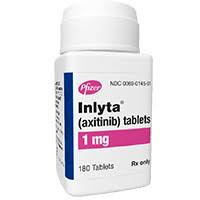
However, axitinib is not a drug that must be taken for life. In some cases, if a patient experiences significant adverse reactions during treatment or detects tumor progression, the doctor may recommend adjusting the medication regimen or discontinuing the medication. Adverse reactions may include high blood pressure, fatigue, oral ulcers, rash, etc. These side effects may affect the patient's quality of life and medication tolerance.
In addition, for some patients, tumor stabilization or partial remission may occur after a period of treatment. In this case, the doctor may consider adjusting the treatment plan or even conducting "discontinuation observation" to evaluate whether the tumor has further developed. During this process, doctors will closely monitor the patient's health and arrange imaging examinations regularly to determine changes in the tumor.
Reference materials:https://pmc.ncbi.nlm.nih.gov/articles/PMC7265645/
[ 免责声明 ] 本页面内容来自公开渠道(如FDA官网、Drugs官网、原研药厂官网等),仅供持有医疗专业资质的人员用于医学药学研究参考,不构成任何治疗建议或药品推荐。所涉药品可能未在中国大陆获批上市,不适用于中国境内销售和使用。如需治疗,请咨询正规医疗机构。本站不提供药品销售或代购服务。


