
.jpeg)
Does Rozebalamin (methylcobalamin) affect quality of life?
Rozebalamin(methylcobalamin) is a drug used to treat amyotrophic lateral sclerosis (ALS). Its main function is to slow down the progression of dysfunction and help patients improve neurological function. When used correctly, treatment with Rozebalamin can significantly improve patients’ symptoms and help improve their quality of life. However, the effects of medications vary among individuals, so changes in quality of life may vary among patients.
Methylcobalamin treatment can delay the progression of ALS symptoms, particularly in terms of degenerative changes in the nervous system. By slowing the progression of the disease, patients may be able to maintain independent mobility, including basic movement and communication in daily life, for a longer period of time. In this way, patients can enjoy a higher level of independence for a longer period of time, thereby improving their quality of life. Through methylcobalamin injection, many patients may feel that their body functions have stabilized or recovered, reducing the physical burden caused by worsening symptoms.
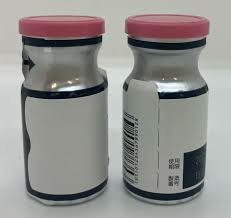
AlthoughRozebalamin may help slow the progression of the condition, patients may still experience some uncomfortable symptoms during treatment. For example, common injection reactions such as pain, redness, swelling, and local hardening at the injection site can cause discomfort and affect the patient's mood and quality of life. These side effects are usually temporary but may have some impact on the patient's daily activities. Especially for patients who require frequent injections, discomfort during the injection process may increase the burden of their treatment, thereby affecting their overall quality of life.
Side effects of Rozebalamin, such as allergic reactions and rashes, although rare, may affect patients' daily activities. When these adverse reactions occur, patients need to carry out appropriate treatment or adjust the treatment plan, which may lead to interruption or change of treatment, further affecting the patient's mood and living status. When using methylcobalamin, patients need to communicate with their doctors regularly to ensure the efficacy and safety of the drug and to avoid long-term side effects that may adversely affect their quality of life.
Psychological and social support during treatment is also crucial to the patient's quality of life. Although Rozebalamin can physically help patients slow down the symptoms of ALS, the long-term development of the disease may still have an impact on the patient's mental health. Patients may experience anxiety or depression due to the uncertainty and progressive nature of the disease. At this time, the patient's family, friends and professional psychological support team can help him better cope with the challenges during the treatment process and improve the overall quality of life. Therefore, the treatment process needs to focus not only on the use of medications but also on the psychological and emotional needs of the patient.
xa0
References:
[1]https://pins.japic.or.jp/pdf/newPINS/00071540.pdf
[2]https://www.eisai.com/news/2024/news202487.html
[ 免责声明 ] 本页面内容来自公开渠道(如FDA官网、Drugs官网、原研药厂官网等),仅供持有医疗专业资质的人员用于医学药学研究参考,不构成任何治疗建议或药品推荐。所涉药品可能未在中国大陆获批上市,不适用于中国境内销售和使用。如需治疗,请咨询正规医疗机构。本站不提供药品销售或代购服务。


