
.jpeg)
How does Rozebalamin (methylcobalamin) work with other ALS treatments?
Rozebalamin (methylcobalamin), a drug used to treat amyotrophic lateral sclerosis (ALS), slows down the progression of the disease mainly through neuroprotection. Because ALS is a complex and progressive neurological disease, patients often require a combination of treatments to deal with different symptoms. Combined use with other ALS treatment drugs can improve the therapeutic effect, improve the patient's quality of life, and slow down the progression of the disease. However, the combined use of Rozebalamin with other drugs requires physician evaluation and guidance based on the patient's specific situation.
1. Combined use with riluzole: Riluzole is one of the most commonly used drugs in ALS treatment. It can inhibit the release of glutamate, thereby slowing down the damage of neurons and delaying the death process of patients. Although riluzole has a certain effect in the treatment of ALS, its effect is relatively slow and its efficacy is limited. RozebalaminUsed in combination with riluzole, it may help to produce a synergistic effect through different mechanisms, thereby more effectively slowing disease progression. Specifically, riluzole protects nerve cells mainly by inhibiting excess glutamate release, while Rozebalamin works by improving nerve conduction and promoting nerve repair. Therefore, the combination of the two may provide a broader neuroprotective effect.
2. Combined use with edaravone (edaravone): Edaravone is an antioxidant drug that has been proven to be effective in slowing down the functional decline of ALS patients and improving their survival rate. It protects neurons from damage by scavenging free radicals in the body, reducing oxidative stress. The combined use of Rozebalamin and edaravone may theoretically complement each other and work together through different mechanisms. RozebalaminProtects neurons by improving neurotrophic and repair effects, while edaravone reduces nerve damage through antioxidant effects. The combined use of the two may play a positive role in slowing down the neurodegenerative process in ALS patients.
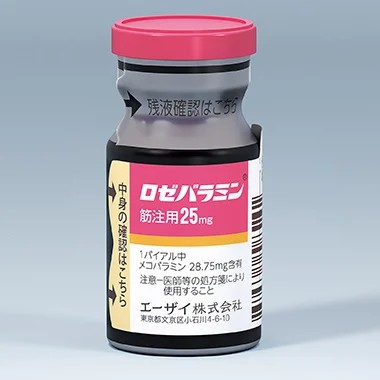
3. Cooperation with other symptomatic treatment drugs: ALSPatients usually experience a range of symptoms, including muscle weakness, difficulty breathing, and difficulty swallowing. Therefore, in addition to basic ALS treatment drugs, patients may also need to use symptomatic treatment drugs, such as muscle relaxants, analgesics, antidepressants, etc. These drugs can relieve patients' symptoms to a certain extent and improve their quality of life. RozebalaminThe combined use of these symptomatic drugs can, on the one hand, delay the progression of the disease through its neuroprotective effect, and on the other hand, it can also help patients better cope with the challenges of daily life by slowing nerve damage.
4. Precautions when using together: Although Rozebalamin may be better when used in combination with other ALS therapeutic drugs, there are still some key things to pay attention to when using it. First, interactions between different drugs may affect a drug's efficacy or increase the risk of side effects. Therefore, when patients use Rozebalamin in combination with other drugs, they must do so under the guidance of a doctor to ensure that the dosage and frequency of use of the drug are reasonable. Secondly, because the progression of ALS varies from person to person, the combination treatment plan also needs to be adjusted individually. The doctor will develop the best treatment plan based on the patient's specific condition, drug interactions, and possible adverse reactions.
In addition, patients need to pay close attention to their health conditions when using combination therapy. If they experience symptoms such as allergic reactions, gastrointestinal discomfort, injection site infection, etc., they should report to their doctor immediately. Regular examinations and follow-up are very important to ensure the effectiveness of treatment and to adjust the treatment plan in a timely manner.
RozebalaminAs a ALS treatment drug, it has a certain neuroprotective effect when used alone, but its efficacy is limited, and it often needs to be used in combination with other drugs to achieve better therapeutic effects. The combined use with commonly used ALS treatment drugs such as riluzole and edaravone may complement each other through different mechanisms of action, thereby delaying disease progression and improving patients' quality of life. However, the specific plan of combination therapy needs to be personalized according to the patient's condition, drug interactions and tolerance, and must be carried out under the guidance of a doctor to ensure the safety and effectiveness of the treatment.
xa0
References:
[1]https://pins.japic.or.jp/pdf/newPINS/00071540.pdf
[2]https://www.eisai.com/news/2024/news202487.html
[ 免责声明 ] 本页面内容来自公开渠道(如FDA官网、Drugs官网、原研药厂官网等),仅供持有医疗专业资质的人员用于医学药学研究参考,不构成任何治疗建议或药品推荐。所涉药品可能未在中国大陆获批上市,不适用于中国境内销售和使用。如需治疗,请咨询正规医疗机构。本站不提供药品销售或代购服务。


