
.jpeg)
Comparison of the efficacy of axitinib/axitinib and sunitinib
Axitinib and sunitinib are both targeted therapies for advanced renal cell carcinoma (RCC). There are significant differences in the mechanism of action, efficacy, and side effects of these two drugs. Therefore, the choice of which drug requires a comprehensive evaluation based on the patient's specific situation.
Axitinib is a drug that selectively inhibits multiple tyrosine kinases. It mainly targets the vascular endothelial growth factor receptor (VEGFR) and also has certain inhibitory effects on other related tyrosine kinases. Multiple clinical trials have verified its effectiveness, especially in patients who have experienced previous treatment, showing good results. Axitinib shows clear advantages in prolonging progression-free survival (PFS) and overall survival (OS).
In comparison, sunitinib is also a targeted drug that mainly works by inhibiting VEGFR and several other important tyrosine kinases. Sunitinib is widely used in treatment-naive patients, and its efficacy has been supported by a large number of studies. Clinical data shows that sunitinib can effectively control disease progression and slow down tumor development in first-line treatment.
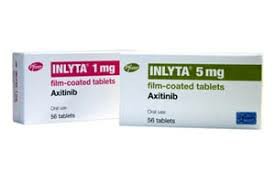
In the comparison of efficacy, some studies have pointed out that in certain patient groups, axitinib may have a more significant effect than sunitinib. For example, axitinib may provide better outcomes in patients who have already received other treatments. However, this does not mean that axitinib is superior to sunitinib in all cases, as individual patient differences, tumor biology, and previous treatment history will all affect the final efficacy.
Side effects are a factor that cannot be ignored when choosing anticancer drugs. Common side effects of axitinib include high blood pressure, fatigue, diarrhea, oral ulcers, etc. Sunitinib may cause rash, loss of appetite, fatigue, etc. Whether it is axitinib or sunitinib, their side effects vary in nature, so clinicians need to develop corresponding treatment plans based on the patient's health status and tolerance.
In addition, the patient's quality of life is also an important consideration when selecting anticancer drugs. The impact of the two drugs on biomass is also worthy of attention. Some studies have shown that axitinib may have a smaller impact on quality of life in some aspects, but this still needs to be evaluated based on individual patient feedback.
When choosing axitinib or sunitinib, clinicians usually consider multiple factors such as the patient's specific condition, previous treatment history, physical condition, tolerance to the drug, and the patient's personal preference. At the same time, regular monitoring of treatment effects and side effects is essential to adjust treatment options.
Reference materials:https://pmc.ncbi.nlm.nih.gov/articles/PMC8419787/
[ 免责声明 ] 本页面内容来自公开渠道(如FDA官网、Drugs官网、原研药厂官网等),仅供持有医疗专业资质的人员用于医学药学研究参考,不构成任何治疗建议或药品推荐。所涉药品可能未在中国大陆获批上市,不适用于中国境内销售和使用。如需治疗,请咨询正规医疗机构。本站不提供药品销售或代购服务。


