
.jpeg)
What is filgotinib a treatment for?
Filgotinib (Filgotinib) is a drug containing the active ingredient filgotinib. It is mainly used to treat two serious diseases in adults: moderate to severe rheumatoid arthritis and moderate to severe active ulcerative colitis. These diseases are all related to abnormal responses of the immune system, causing patients to suffer severe physical and psychological pain in daily life.
Moderate to severe rheumatoid arthritis is an autoimmune disease in which the immune system mistakenly attacks healthy tissue, causing inflammation and pain in the joints. Patients often face joint swelling, morning stiffness, and persistent pain, symptoms that significantly impact their quality of life. Filgotinib may be used as an alternative treatment when one or more disease-modifying antirheumatic drugs (DMARDs) are not effective or have unacceptable side effects. It can be used alone or in combination with methotrexate to better control the condition.
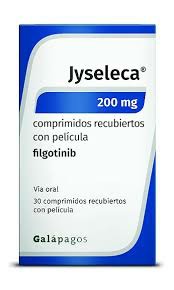
Moderately to severely active ulcerative colitis is a chronic disease that affects the intestines and is characterized by the immune system attacking healthy intestinal tissue, causing periodic inflammation, ulceration, and bleeding. This disease brings not only physical pain to patients, but also psychological burden. In this case, filgotinib provides a new treatment option for patients who have failed to achieve good results with conventional treatments or biological therapies, or who have discontinued treatment due to side effects.
Figotinib works by reducing the activity of the immune system to reduce the symptoms of these diseases. It helps improve patients' clinical symptoms by blocking a class of enzymes called Janus kinases (JAKs), inhibiting their role in the inflammatory process of rheumatoid arthritis and ulcerative colitis. Clinical studies have shown that filgotinib can effectively relieve patients' joint pain and intestinal symptoms.
Filgotinib is only available by medical prescription, so its use must be under the guidance and supervision of an experienced physician. This medication is usually taken as a tablet once daily. In clinical trials, common adverse reactions include nausea, upper respiratory tract infection, urinary tract infection, dizziness, and lymphopenia. These side effects require patients to pay close attention during use.
Reference materials:https://www.ema.europa.eu/en/medicines/human/EPAR/jyseleca
[ 免责声明 ] 本页面内容来自公开渠道(如FDA官网、Drugs官网、原研药厂官网等),仅供持有医疗专业资质的人员用于医学药学研究参考,不构成任何治疗建议或药品推荐。所涉药品可能未在中国大陆获批上市,不适用于中国境内销售和使用。如需治疗,请咨询正规医疗机构。本站不提供药品销售或代购服务。


