
.jpeg)
Side effects and management of axitinib/axitinib
Axitinib/Axitinib, as a targeted therapy, has shown good efficacy in the treatment of renal cell tumors, but its use is also accompanied by a variety of side effects. The manifestations and severity of these side effects vary in different patients, so proper monitoring and management are particularly important.
Clinical studies show that common side effects of axitinib include but are not limited to the following:
1. Digestive system reactions: Diarrhea, nausea, vomiting, loss of appetite and weight loss are common problems.
2. Circulatory system reactions: Hypertension is one of the common adverse reactions in patients using axitinib, and blood pressure needs to be monitored regularly.
3. Fatigue and nervous system reaction: Patients may experience obvious fatigue and difficulty in articulation (speech disorder).
4. Paresthesias: Palms-Plantar paresthesia syndrome manifests as rash and numbness on the palms and soles of the feet, affecting daily activities.
5. Other side effects: Adverse reactions such as bleeding, hypothyroidism (low thyroid), increased urinary protein, cough and constipation also need attention.
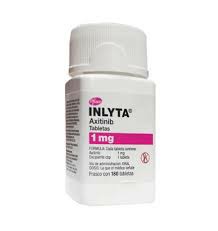
These side effects can have a significant impact on a patient's quality of life and require close monitoring and prompt management during treatment.
Some post-marketing surveillance results indicate that axitinib may cause serious cardiovascular events, such as aneurysms, dissections, and ruptures, posing potentially significant risks to patients. Patients may also experience adverse effects such as hypertension, arterial thromboembolism, and venous thromboembolism when treating different types of kidney cancer. Other serious complications include heart failure, gastrointestinal perforation, and fistula formation.
Additionally, thyroid dysfunction, impaired wound healing, reversible posterior leukoencephalopathy syndrome, and proteinuria have been documented. At the same time, hepatotoxicity and liver damage are also side effects that need to be paid attention to during axitinib treatment.
Reference materials:https://www.ema.europa.eu/en/medicines/human/EPAR/inlyta
[ 免责声明 ] 本页面内容来自公开渠道(如FDA官网、Drugs官网、原研药厂官网等),仅供持有医疗专业资质的人员用于医学药学研究参考,不构成任何治疗建议或药品推荐。所涉药品可能未在中国大陆获批上市,不适用于中国境内销售和使用。如需治疗,请咨询正规医疗机构。本站不提供药品销售或代购服务。


