
.jpeg)
Which is better, Trientine or Penicillamine?
Trientine (Trientine) and penicillamine (Penicillamine) are both effective drugs for the treatment of Wilson's disease, but their mechanisms of action, indications, and clinical effects are different, so it is difficult to simply judge which drug is more effective.
Trientine is a selective copper(II) chelator used primarily to treat patients with Wilson disease who are intolerant to penicillamine. Since its approval by the Food and Drug Administration (FDA) in 1985, studies have shown that trientine is effective in reducing excess copper stores in the body and improving clinical symptoms associated with Wilson's disease. The main advantage of trientine is that it is relatively well tolerated, with many patients experiencing no significant side effects during use, making it an ideal choice for patients who are intolerant to penicillamine. Trientine also has certain anti-tumor effects, which provides more possibilities for its future applications.
In contrast, penicillamine, as a conventional treatment for Wilson's disease, has a long history of clinical use and abundant evidence of its efficacy. Penicillamine reduces the copper load in the body by binding to copper ions and expelling them from the body. It has shown good results in improving liver function and neurological symptoms in patients. However, the use of penicillamine is associated with potential side effects, such as rash, allergic reactions, kidney damage, and immunosuppression. These side effects sometimes result in patients needing to discontinue the medication or change treatment regimens. Therefore, in the clinic, doctors usually carefully evaluate the patient's tolerance and disease severity to decide whether to continue using penicillamine or switch to trientine.
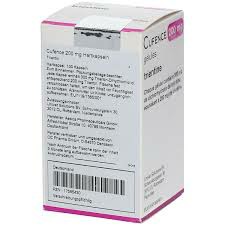
In terms of efficacy, both trientine and penicillamine are effective in reducing copper concentrations in the body, but their responses vary from patient to patient. Some patients experience significant improvement on penicillamine, while others may be sensitive to the side effects of penicillamine and intolerant. In this setting, trientine provides a good alternative as a second-line treatment. In fact, clinical observations in recent years have shown that some patients experienced symptom relief and significantly reduced side effects after switching to trientine.
When making clinical decisions, doctors consider several factors, including the patient's specific condition, response to treatment medications, and possible side effects. For some patients with early-stage Wilson disease who have mild disease, penicillamine may be a more appropriate option. For those patients who have not seen improvement or have severe side effects after a period of penicillamine treatment, trientine will undoubtedly be an effective alternative. Furthermore, trientine is considered to have potential anticancer properties in some cases, which opens new prospects for its clinical application.
The advantage of penicillamine is that there is abundant clinical evidence for its use in the treatment of Wilson's disease, and many studies support its efficacy. Penicillamine significantly reduces serum copper concentrations and, in some patients, improves liver function and neurological symptoms. However, the use of penicillamine is also accompanied by certain risks, which may lead to immunosuppression, allergic reactions or other adverse reactions, especially when long-term use requires regular monitoring of the patient's renal function and blood indicators.
In summary, trientine and penicillamine each have their own advantages and disadvantages. As a second-line treatment drug, trientine is suitable for patients with penicillamine intolerance and has a good side effect spectrum and tolerance; penicillamine has become the drug of choice for Wilson's disease due to its wide application and rich clinical experience.
Reference materials:https://go.drugbank.com/drugs/DB06824
Reference materials:https://go.drugbank.com/drugs/DB00859
[ 免责声明 ] 本页面内容来自公开渠道(如FDA官网、Drugs官网、原研药厂官网等),仅供持有医疗专业资质的人员用于医学药学研究参考,不构成任何治疗建议或药品推荐。所涉药品可能未在中国大陆获批上市,不适用于中国境内销售和使用。如需治疗,请咨询正规医疗机构。本站不提供药品销售或代购服务。


