
.jpeg)
What is the clinical effect of bosutinib/bosutinib in the treatment of ALS?
Amyotrophic lateral sclerosis (ALS) is a disease caused by the death of motor neurons, causing patients to develop progressive muscle weakness and atrophy. Usually, patients die from respiratory muscle paralysis within 2-5 years after onset. Plasma neurofilament protein (NFL) is considered one of the biomarkers of ALS progression.
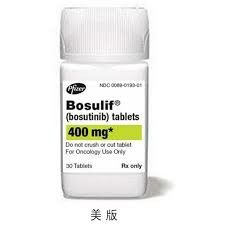
The research team announced preliminary results of Bosutinib/Bosutinib (Bosutinib) in the treatment of ALS, showing that the drug can slow down the progression of the disease in at least 13 of the 26 ALS patients participating in the trial. In this Phase II study, bosutinib was administered over a longer period of time and involved a larger number of patients than in the Phase I study. A total of 26 patients were enrolled in the study, 13 of whom received 200 or 300 mg of bosutinib orally every day after meals. The observation period, treatment period and follow-up period of this study were 12 weeks, 24 weeks and 4 weeks respectively. The clinical trial data of edaravone and the data of JaCALS, the ALS patient registry, were used as the control group.
In the study, eligible patients experienced a 1-4 point decrease in their ALSFRS-R score (ALS assessment score, out of 48 points, which decreases with muscle weakness) during the observation period. The research team compared changes in ALSFRS-R scores at week 24 of bosutinib treatment and found that the score decline in the bosutinib treatment group was significantly smaller compared with the placebo group in the edaravone trial. In both the 200 mg and 300 mg dosing groups, the 95% confidence interval (CI) was reached, indicating that the results were highly reliable. However, despite the suppression of ALSFRS-R scores compared with edaravone, the 80% CI was not achieved.
In addition, as an exploratory evaluation, the study also compared the efficacy of bosutinib with JaCALS data. Notably, levels of the ALS biomarker NFL remained stable on average after disease onset. In the current trial, plasma NFL levels measured during the observation period before the initiation of bosutinib treatment and during treatment showed that patients receiving bosutinib had lower mean NFL levels than before treatment. However, since some patients experienced a spontaneous decline in NFL during the observation period, the research team will evaluate the changes in NFL in detail in future analyses. The NFL will become an important indicator of ALS progression. When patients were divided into high-NFL and low-NFL groups using the median NFL value, the results showed that the high-NFL group had a larger decrease in ALSFRS-R scores, while the low-NFL group had smaller changes in scores, further supporting the potential of NFL as a biomarker.
Overall, bosutinib demonstrates its potential as a potential treatment optionHope among ALS patients. However, the scientific community still needs to treat research progress in this field with caution and ensure that all conclusions are based on sufficient data support. With the deepening of research, more effective treatment options may be provided for ALS patients in the future.
Reference materials:https://sj.jst.go.jp/news/202408/n0801-01k.html
[ 免责声明 ] 本页面内容来自公开渠道(如FDA官网、Drugs官网、原研药厂官网等),仅供持有医疗专业资质的人员用于医学药学研究参考,不构成任何治疗建议或药品推荐。所涉药品可能未在中国大陆获批上市,不适用于中国境内销售和使用。如需治疗,请咨询正规医疗机构。本站不提供药品销售或代购服务。


