
.jpeg)
Bosutinib/Bosutinib Medication Guide
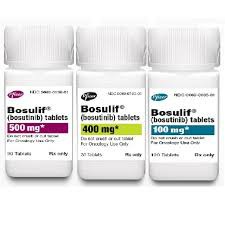
Bosutinib/Bosutinib is a tyrosine kinase inhibitor (TKI) targeting chronic myeloid leukemia (CML). Its mechanism of action can effectively control the proliferation of leukemia cells. Instructions for using this drug are detailed below.
1. Drug Overview
Drug name: Bosutinib/Bosutinib
Indications: Treatment of chronic myeloid leukemia (CML), especially patients with Philadelphia chromosome positivity.
Drug classification: tyrosine kinase inhibitors (TKI).
2. Introduction to chronic myelogenous leukemia (CML)
Pathological characteristics:CML is a blood cancer that mainly affects white blood cells. It is characterized by the presence of abnormal leukemia cells in the bone marrow.
Chromosome abnormalities:Philadelphia chromosome is usually present in CML patients. The formation of this chromosome will lead to the production of Bcr-Abl fusion gene, thus promoting the proliferation of leukemia cells.
3. Treatment stage: Bosutinib is suitable for the following different stages of CML:
Chronic phase: This isthe initial stage of CML. Symptoms are usually mild and the patient's quality of life is relatively good.
Accelerated phase: During this phase, the condition worsens and the patient may experience some more obvious symptoms.
Blast phase: This is the critical stage of CML. The patient's leukemia cells increase significantly, and symptoms of acute leukemia may occur.
4. Instructions for use
Applicable patients:
CML patients who have been treated with one or more other tyrosine kinase inhibitors
Newly diagnosed chronic phaseCML patients.
Recommended dosage:
Newly diagnosed patients: 400 mg once daily.
Patients already receiving other treatments: 500 mg once daily.
Dosage adjustment:
Based on the therapeutic effect and side effects, the doctor may adjust the dose to a maximum of 600 mg daily, or reduce or suspend treatment as needed.
5. Drug mechanism
Bosutinib prevents the uncontrolled proliferation of leukemia cells by inhibitingSrc and Bcr-Abl tyrosine kinases. This mechanism helps reduce the number of leukemia cells and thereby control the progression of the disease.
6. Common side effects
Bosutinib may cause the following common side effects:
Diarrhea: About50% of patients may experience varying degrees of diarrhea.
Nausea and vomiting: Some patients may experience nausea during the initial treatment, sometimes accompanied by vomiting.
Thrombocytopenia: A decrease in platelet count, which may lead to bleeding tendencies.
Abdominal pain: Some patients may experience abdominal pain.
Rash: Skin reactions such as erythema, itching, etc. occur.
Anemia: A decrease in red blood cell count, which may cause symptoms such as fatigue and weakness.
Elevated liver enzyme levels: Liver function needs to be monitored regularly to prevent liver damage.
Fatigue and fever: common in patients and may be related to drug reactions.
7. Serious side effects
Serious side effects that require special attention include:
Thrombocytopenia: Persistent low platelets may lead to severe bleeding.
Neutropenia: This condition increases the risk of infection.
Liver and pancreatic damage: Blood tests may be done to assess liver function if necessary.
8. Contraindications
Patients with reduced liver function: Bosutinib is not suitable for patients with severely impaired liver function and should be used with caution and consultation with a professional physician.
Reference materials:https://dailymed.nlm.nih.gov/dailymed/drugInfo.cfm?setid=84137882-e000-47da-bd5b-fa76ab3c76f9##
[ 免责声明 ] 本页面内容来自公开渠道(如FDA官网、Drugs官网、原研药厂官网等),仅供持有医疗专业资质的人员用于医学药学研究参考,不构成任何治疗建议或药品推荐。所涉药品可能未在中国大陆获批上市,不适用于中国境内销售和使用。如需治疗,请咨询正规医疗机构。本站不提供药品销售或代购服务。


