
.jpeg)
Comparative analysis of the differences, indications, efficacy and safety between Zongertinib and Trastuzumab
Zongertinib (Zongertinib) and trastuzumab deruxtecan (Trastuzumab deruxtecan, T-DXd) are both modern targeted anti-tumor drugs, but their mechanisms of action, indications and clinical efficacy are significantly different. Zongertinib is an oral small molecule receptor tyrosine kinase inhibitor (RTKI), mainly targeting HER2 mutant non-small cell lung cancer (NSCLC) and some HER2 positive solid tumors; detrastuzumab Monoclonal antibody is an antibody-drug conjugate (ADC), which combines anti-HER2monoclonal antibody with cytotoxic drugs to accurately deliver cytotoxic substances into HER2positive tumor cells, thereby killing cancer cells. Both belong to the category of targeted therapy, but there are essential differences between small molecule inhibitors and ADCs in their mode of action, route of administration and side effect spectrum.
Zongetinib indications are mainly concentrated in patients with locally advanced or metastatic NSCLC insertion mutations in exon 20. Such patients often have resistance problems to standard chemotherapy or first-line EGFR/ALK targeted drugs. Zongertinib helps block tumor cell proliferation and promote apoptosis by inhibiting the HER2 signaling pathway. Clinical trial data show that HER2exon20insertion mutationsNSCLCpatients, zongertinib can achieve a higher objective response rate (ORR) and median progression-free survival (PFS), significantly improving the disease control rate. The indications of trastuzumab are broader, covering HER2positive breast cancer, gastric cancer and some NSCLC and other solid tumors. It has shown excellent efficacy especially in patients with previous treatment failure. For example, in patients with HER2 advanced breast cancer, the overall response rate of T-DXd can exceed 60%, and the response lasts longer, significantly improving the patient's quality of life.
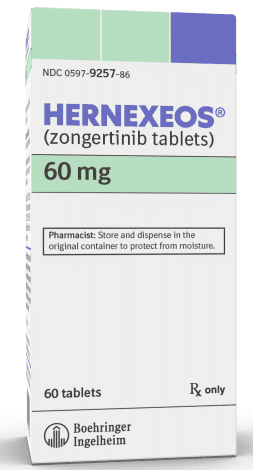
In terms of efficacy comparison, there is still a lack of direct head-to-head trials between zongatinib and trastuzumab, so the comparison mainly relies on indirect analysis of data from different clinical trials. Overall, zongatinib, as an oral small molecule drug, is more suitable for HER2 mutant NSCLC. It can maintain blood concentration through long-term oral administration and has a precise inhibitory effect on specific mutation groups. Trastuzumab, as an ADC, can use antibodies to accurately locate HER2 expressing cells, and also carries cytotoxic drugs. It has strong killing effect on HER2 overexpressing tumor cells. The efficacy is significant in multiple solid tumors, but it needs to be administered intravenously.
In terms of safety, common adverse reactions of zongertinib include gastrointestinal reactions (such as nausea, diarrhea), rash, hematological abnormalities, and increased liver function, most of which are controllable. In contrast, the adverse event spectrum of trastuzumab is more ADC-specific, with common bone marrow suppression, nausea, fatigue, alopecia, and pulmonary toxicity (interstitial lung disease). Particular attention needs to be paid to potential severe pulmonary toxicity, and some patients may need to suspend or discontinue treatment. Patients need to regularly monitor blood indicators, liver and kidney function, and imaging changes while using both types of drugs to ensure drug safety.
In summary, zongatinib and trastuzumab each have their own advantages in terms of mechanism of action, indications and clinical application. Zongertinib is suitable for patients with HER2 mutantNSCLC and can precisely inhibit the mutation signaling pathway through oral administration of small molecules; Trastuzumab is suitable for patients with a variety of solid tumors that overexpress HER2 and achieves efficient killing through antibody-coupled cytotoxic drugs. Clinical selection should be based on the patient's tumor type, HER2 status, previous treatment history and tolerance characteristics to formulate an individualized plan to achieve the best balance between efficacy and safety and provide patients with precise and effective targeted therapy.
Keyword tags:
Zongetinib, trastuzumab, HER2 mutation, ADC, non-small cell lung cancer, breast cancer, efficacy comparison, safety
Reference materials:https://www.ncbi.nlm.nih.gov/pmc/articles/PMC8123456/
[ 免责声明 ] 本页面内容来自公开渠道(如FDA官网、Drugs官网、原研药厂官网等),仅供持有医疗专业资质的人员用于医学药学研究参考,不构成任何治疗建议或药品推荐。所涉药品可能未在中国大陆获批上市,不适用于中国境内销售和使用。如需治疗,请咨询正规医疗机构。本站不提供药品销售或代购服务。


