
.jpeg)
Summary of telisotuzumab-EMRELIS clinical trial data and efficacy analysis for different indications
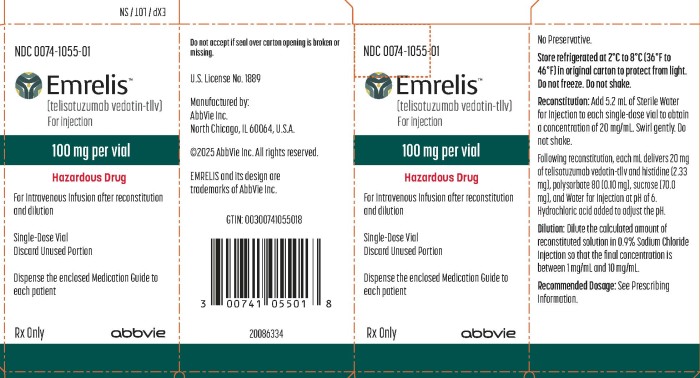
Telisotuzumab Vedotin, trade name EMRELIS) is an antibody-drug conjugate (ADC) targeting c‑Met protein, developed by AbbVie (< span>AbbVie) was developed for the treatment of patients with non-squamous non-small cell lung cancer (NSCLC) with high c‑Met protein overexpression. This kind of ADC recognizes the c‑Met receptor through the antibody part, and accurately delivers cytotoxic drugs into the interior of tumor cells, thereby killing cancer cells. It is the first targeted ADC therapy approved for people who are positive for this specific biomarker. 2025Year5month14 day, the drug will be obtained The U.S. FDA's accelerated approval is for locally advanced or metastatic non-squamous NSCLC and requires prior systemic treatment. The approval is based on data on overall response rate (ORR) and duration of response (DOR) indicators, and still needs to further verify clinical benefit through confirmatory studies.
The primary clinical trial data for telisotuzumab comes from the LUMINOSITY study (NCT03539536), a multicenter, open-label, single-armII phase trial included non-squamous NSCLC patients with high Met protein overexpression (≥50% strong staining of tumor cells). In this cohort, 84 patients received telisotuzumab Vedotin treatment, the results show that the overall response rate is about 35%, including patients with partial response (PR) but no complete response (CR), and the median response duration is about 7.2 months. Approximately 59% of responding patients had a response lasting ≥6months, 21% lasted ≥12 months, which suggests that the drug has significant anti-tumor activity in this type of patients with poor prognosis and limited treatment options.
Regarding safety, telisotuzumab vedotin’s treatment-related adverse reactions are consistent with the characteristics of ADC drugs. The most common side effects include peripheral neuropathy, fatigue, decreased appetite, and peripheral edema. In experiments, the incidence of peripheral neuropathy was relatively high, with approximately 11% of patients experiencing grade 3 severe neuropathy, and some patients required permanent discontinuation of the drug. The median onset of these neurologic adverse reactions is approximately several months and may persist after discontinuation of the drug. In addition, hematological and metabolic laboratory abnormalities, such as lymphopenia and elevated blood sugar, may occur. Therefore, the patient's neurological symptoms and laboratory indicators need to be strictly monitored during medication in order to adjust the dose or discontinue the medication in a timely manner.
telisotuzumab vedotinThe efficacy of telisotuzumab vedotin in different indications is still being further explored. Currently, accelerated approval is limited to patients with highc‑Met overexpression of non-squamousNSCLC and is matched with VENTANA MET(SP44) companion diagnostic reagent is used to screen suitable patients. In addition to single-indication studies, the drug is being further evaluated across a broader range of tumor types or biomarker subpopulations, particularly in combination strategies with other targeted agents or immunotherapies. Confirmatory Phase III trials such as TeliMET NSCLC are underway to evaluate a more definite survival benefit and other efficacy endpoints. With the advancement of follow-up research, the clinical application of telisotuzumab vedotin is expected to be expanded to a wider patient population, providing more precise targeted treatment options for patients with high c‑Met expression.
Keyword tags:
Telisotuzumab, Telisotuzumab, EMRELIS, ADC, c-Met, non-small cell lung cancer, clinical trials, efficacy
Reference materials:https://www.fda.gov/drugs/resources-information-approved-drugs/
[ 免责声明 ] 本页面内容来自公开渠道(如FDA官网、Drugs官网、原研药厂官网等),仅供持有医疗专业资质的人员用于医学药学研究参考,不构成任何治疗建议或药品推荐。所涉药品可能未在中国大陆获批上市,不适用于中国境内销售和使用。如需治疗,请咨询正规医疗机构。本站不提供药品销售或代购服务。


