
.jpeg)
Recommended dosage of daprodustat and individualized dosage adjustment plans for different patient groups
Daprodustat is an oral small molecule drug mainly used to treat anemia caused by chronic kidney disease. Its mechanism of action is through inhibiting the heme regulatory factor PHD (prolyl hydroxylase domain) protein, promotes the production of endogenous erythropoietin (EPO), thereby improving anemia symptoms. In clinical application, the dosage design of dapocelot needs to fully consider the patient's renal function status, anemia severity, and comorbid diseases to achieve optimal efficacy and safety.
In adult non-dialysis patients with chronic kidney disease, the recommended initial dose of daprostat is generally 1 mg to 4 mg once daily, adjusted based on the patient's hemoglobin (Hb) level and response to treatment. At the 4 and 8 weeks after the start of treatment, the doctor will use hemoglobin monitoring to determine whether the dose needs to be increased or decreased. Generally speaking, if Hb does not rise enough or is below the target level, the dose can be increased appropriately; if Hb rises too fast or exceeds the target range, the dose should be reduced or the drug should be temporarily discontinued to reduce cardiovascular risk. For dialysis patients, the initial dose is slightly higher, usually 4mg to 6mg once a day, with individual adjustment based on the frequency of hemodialysis and changes in Hb.
For patients with severely impaired renal function or severe liver dysfunction, dose adjustment should be more cautious. Such patients have reduced drug metabolism and clearance capabilities and are prone to drug accumulation and excessive hemoglobin elevation. Therefore, doctors may start with a lower dose, usually 1 mg once daily, and monitor Hb and blood pressure levels closely. As treatment progresses and blood indicators stabilize, the maintenance dose will be gradually adjusted. Clinical data on children and adolescent patients are limited, so the use of daplestat in this group needs to be strictly adjusted according to body weight or body surface area and carried out under the guidance of professional doctors.
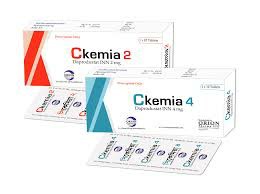
Elderly patients also require individualized dosing regimens, as aging is often accompanied by decreased renal function and cardiovascular disease. When dapostat is used in the elderly, hemoglobin, blood pressure, and liver and renal function should be monitored more frequently to avoid cardiovascular events or hematological complications. It is generally recommended to start with a lower dose, such as 1mg once a day, and gradually adjust to the maintenance dose according to changes in blood indicators. For concomitant use of erythropoietin (ESA) or other anemia treatment drugs, they need to comprehensively evaluate drug interactions and potential risks, arrange the dosage reasonably, and avoid excessive elevation of hemoglobin.
In addition, the patient's drug compliance must also be considered during clinical use of daprostat. The once-daily oral regimen is relatively simple, but for patients who forget to take their medication or take it irregularly, doctors need to provide corresponding medication education and supervision. Excessive hemoglobin fluctuations may affect efficacy and safety. Therefore, regular follow-up should be performed during treatment to ensure that patients complete dose adjustments according to the doctor's guidance. For cases where hemoglobin rises too quickly, the drug can be temporarily stopped or the dose can be reduced, and then the Hb level can be restored to the target range during follow-up.
In general, the dose design of daprodustat (Daprodustat) emphasizes the principle of individualized treatment. The initial dose needs to be set based on the patient's anemia degree and renal function, and then dynamically adjusted based on hemoglobin changes and clinical tolerance. Children, the elderly, dialysis patients, and patients with abnormal liver and kidney function require special attention to dose adjustment and monitoring frequency to ensure maximum drug efficacy and reduce the risk of adverse reactions. In clinical application, doctors should pay close attention to hemoglobin, blood pressure, liver and kidney function and cardiovascular indicators, and formulate a safe and effective medication plan for each patient.
Keyword tags:
Daprostat, anemia, chronic kidney disease, dose adjustment, individualized therapy, hemoglobin monitoring, cardiovascular risk
Reference materials:https://www.ncbi.nlm.nih.gov/pmc/articles/PMC8024048/
[ 免责声明 ] 本页面内容来自公开渠道(如FDA官网、Drugs官网、原研药厂官网等),仅供持有医疗专业资质的人员用于医学药学研究参考,不构成任何治疗建议或药品推荐。所涉药品可能未在中国大陆获批上市,不适用于中国境内销售和使用。如需治疗,请咨询正规医疗机构。本站不提供药品销售或代购服务。


