
.jpeg)
Discussion on whether taking cycloserine for three months will increase the risk of leukemia
Cycloserine (Cycloserine) is a broad-spectrum anti-tuberculosis drug mainly used in multi-drug-resistant tuberculosis or combination treatment regimens. Its main mechanism of action is to inhibit bacterial cell wall synthesis, and its direct toxicity to human cells is relatively low. Current clinical data and drug instructions do not clearly indicate that cycloserine is directly related to the onset of leukemia. Therefore, theoretically, short-term or three-month use of cycloserine at conventional therapeutic doses is not considered a high risk factor for leukemia.
However, cycloserine is a second-line anti-tuberculosis drug and may have certain effects on the central nervous system and bone marrow when used in high doses for a long time, including causing cytopenias or neurotoxicity. For some patients with low immune function or previous hematological diseases, the suppressive effect of drugs on bone marrow may indirectly increase the risk of hematological abnormalities, but this type of situation is usually rare and needs to be evaluated based on the patient's individual situation.
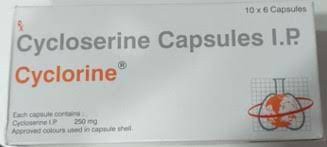
In clinical practice, the continuous use of cycloserine for three months is usually for drug-resistant tuberculosis or combined drug regimens. Doctors will regularly monitor blood routine and liver and kidney function to detect potential adverse reactions as early as possible. If blood cell abnormalities occur, such as a continued decrease in white blood cells or platelets, the treatment plan should be adjusted in time and other possible causes should be investigated to prevent the occurrence of rare but serious blood system diseases.
Overall, there is currently no reliable evidence that taking cycloserine for three months will significantly increase the risk of leukemia. During the period of using cycloserine, patients should strictly follow the doctor's instructions and conduct regular hematology monitoring. Especially patients with a family history of hematological diseases or low immune function should pay more attention to blood routine follow-up and abnormal reaction assessment to ensure the safety of medication.
Keyword tags:
Cycloserine, antituberculosis drugs, leukemia risk, myelosuppression, routine blood monitoring, drug safety
Reference materials:https://www.ncbi.nlm.nih.gov/books/NBK519066/
[ 免责声明 ] 本页面内容来自公开渠道(如FDA官网、Drugs官网、原研药厂官网等),仅供持有医疗专业资质的人员用于医学药学研究参考,不构成任何治疗建议或药品推荐。所涉药品可能未在中国大陆获批上市,不适用于中国境内销售和使用。如需治疗,请咨询正规医疗机构。本站不提供药品销售或代购服务。


