
.jpeg)
Real evaluation of the therapeutic effect of cobimetinib and long-term patient follow-up data
Cobimetinib (Cobimetinib) is an oral MEK inhibitor, mainly used for the treatment of BRAF V600 mutation-positive advanced melanoma and certain solid tumors. Its mechanism of action is to selectively inhibit the MEK1/2 enzyme and block the MAPK signaling pathway, thereby inhibiting the proliferation of tumor cells and inducing apoptosis. Clinical studies have shown that cobimetinib can significantly improve the overall response rate and progression-free survival of patients when used in combination with BRAF inhibitors. It is an important component of the current targeted therapy program.
Real-world studies and long-term patient follow-up data show that the therapeutic effect of cobimetinib varies among individual patients. Among patients with BRAF mutated advanced melanoma, the overall response rate (ORR) of the combination treatment group can reach around 60%, and some patients still maintain stable disease after continuous use for more than 12 months. For some patients who have poor response to traditional chemotherapy and single-agent BRAF inhibitors, cobimetinib combination therapy can delay disease progression, improve quality of life, and ideally control skin and mucosal-related adverse reactions.
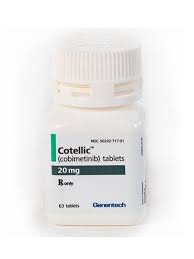
Long-term follow-up observation found that the side effects of cobimetinib mainly include rash, diarrhea, fatigue, and abnormal liver function, but most of them are mild to moderate and can be controlled through dose adjustment or short-term drug withdrawal. Some patients experience changes in hematological indicators or eye problems during long-term use. Therefore, liver function, blood routine and vision conditions need to be monitored regularly during follow-up in order to detect and deal with potential risks in a timely manner. Follow-up data on long-term efficacy and safety indicate that cobimetinib is well tolerated under reasonable management and can provide sustained clinical benefit to patients.
The actual use experience of patients shows that the disease control effect can usually be observed within a few weeks to two months after the drug takes effect, but some patients take longer to show obvious effects. For patients with a long course of treatment, regular medication, compliance with medical advice, regular review, and timely reporting of adverse reactions are key factors to ensure efficacy and safety. Patient feedback also shows that when combined with BRAF inhibitors, cobimetinib can slow down disease progression and improve quality of life, while the side effects are highly manageable.
In addition, cobimetinib has shown potential efficacy in some non-melanoma solid tumors in multi-center clinical practice, such as patients with BRAF V600 mutated colorectal cancer and lung adenocarcinoma. Although the main indication at this stage is still advanced melanoma, relevant research and long-term follow-up are exploring its application value in other cancer types, providing a basis for future personalized treatment.
Overall, cobimetinib (Cobimetinib) has shown reliable clinical efficacy in patients with advanced BRAF V600 mutated tumors, especially when used in combination with BRAF inhibitors. Long-term follow-up data support its controllable safety and ability to provide patients with sustained disease control and improvement in quality of life. In clinical use, reasonable dose management, regular follow-up and patient education are the keys to achieving the best therapeutic effect.
Keyword tags:
Cobimetinib, treatment efficacy, real-life reviews, long-term follow-up, patient experience, side effects, combination therapy, efficacy data
Reference materials:https://www.fda.gov/
[ 免责声明 ] 本页面内容来自公开渠道(如FDA官网、Drugs官网、原研药厂官网等),仅供持有医疗专业资质的人员用于医学药学研究参考,不构成任何治疗建议或药品推荐。所涉药品可能未在中国大陆获批上市,不适用于中国境内销售和使用。如需治疗,请咨询正规医疗机构。本站不提供药品销售或代购服务。


