
.jpeg)
Telisotuzumab-EMRELIS medication precautions and safety and risk tips for long-term use
First, attention should be paid to allergic reactions and injection-related reactions when using terituzumab. Patients should be monitored by a medical institution when taking the drug for the first time and every time it is administered, so that potential infusion reactions, such as fever, chills, rash, and dyspnea, can be dealt with promptly. Doctors usually adjust the dose based on the patient's weight and condition to reduce the occurrence of adverse reactions. For patients with a history of severe allergies or autoimmune diseases, special caution is required. If necessary, anti-allergic drugs can be pre-administered or the initial dose can be reduced.
Secondly, long-term use of terituzumab may cause hematological toxicity risks, including leukopenia, thrombocytopenia, and anemia. Patients should undergo regular blood tests during treatment to detect and deal with hematological abnormalities in a timely manner. In addition, this drug may have a certain impact on liver function. Clinically, it is recommended to monitor liver function indicators every cycle and adjust the dose or suspend treatment if necessary. For patients with renal insufficiency or multiple underlying diseases, medication risks should be assessed under the guidance of a professional physician.
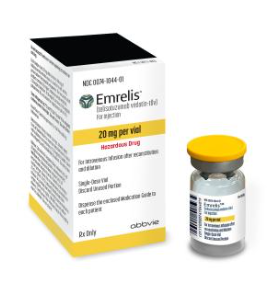
Thirdly, resistance or reduced efficacy of terituzumab may occur during long-term treatment. Clinical studies have shown that some patients may experience partial tumor progression after continuing to take the drug for several months. Therefore, doctors usually combine imaging examinations, tumor markers and patients' clinical responses to dynamically evaluate the efficacy, and if necessary, adjust the treatment plan, including combining other chemotherapy drugs or immunotherapy drugs, to delay the occurrence of drug resistance.
In terms of drug interactions, when terituzumab is used in combination with multiple anti-cancer drugs, attention needs to be paid to synergistic toxicity and pharmacokinetic changes. Especially when used simultaneously with cytotoxic chemotherapy drugs or other targeted drugs, bone marrow suppression or liver function damage may be aggravated. Therefore, combined medication must be carried out under the guidance of experienced oncologists, and relevant indicators must be closely monitored.
In addition, patients should pay attention to drug storage and safe management when using territuzumab in home or social settings. Drugs usually need to be stored in a cold chain to avoid high temperature or light affecting their efficacy. Patients and their family members should keep medicines properly to avoid misuse or ingestion, and at the same time comply with the recycling and disposal of discarded medicines regulations of medical institutions.
In general, terituzumab (EMRELIS) has obvious targeting advantages in the treatment of lung cancer, but long-term use still requires attention to drug safety and potential risks. By strictly following medical instructions, regularly monitoring blood, liver and kidney functions, timely management of adverse reactions, and rationally adjusting the combined treatment plan, maximum clinical efficacy can be achieved while ensuring safety. Patients should maintain close communication with their doctors during use so that treatment strategies can be adjusted in a timely manner based on efficacy and side effects to better control disease progression.
Keyword tags:
Terituzumab, medication precautions, long-term safety, risk warnings, allergic reactions, hematological toxicity, drug resistance, drug storage
Reference materials:https://www.drugs.com/monograph/telisotuzumab.html
[ 免责声明 ] 本页面内容来自公开渠道(如FDA官网、Drugs官网、原研药厂官网等),仅供持有医疗专业资质的人员用于医学药学研究参考,不构成任何治疗建议或药品推荐。所涉药品可能未在中国大陆获批上市,不适用于中国境内销售和使用。如需治疗,请咨询正规医疗机构。本站不提供药品销售或代购服务。


