
.jpeg)
Whether cemiplimab is suitable for the treatment of lung squamous cell carcinoma and analysis of related clinical research efficacy data
Cemiplimab is a fully human monoclonal antibody against PD-1 that is an immune checkpoint inhibitor. It blocks the PD-1/PD-L1 signaling pathway between tumor cells and T cells, and relieves the inhibitory state of T cells, thereby enhancing the body's own immune system's ability to recognize and kill tumor cells. In tumor immunotherapy, PD-1 inhibitors have become an important treatment option for advanced solid tumors, especially in patients with non-small cell lung cancer (NSCLC) with high PD-L1 expression. Cemiplimab was initially approved for metastatic or locally advanced cutaneous squamous cell carcinoma, but its clinical application has gradually expanded to NSCLC and other solid tumors, becoming an important part of immunotherapy.
In the treatment of lung cancer, Cemiplimab mainly targets PD-L1 high expression (TPS ≥50%) advanced or metastatic NSCLC patients, especially those lacking EGFR, ALK and other driver gene mutations. The EMPOWER-Lung 1 clinical trial is a pivotal, multicenter III phase study comparing Cemiplimab monotherapy to standard platinum doublet chemotherapy. The results showed that Cemiplimabsignificantly improved the patients’ median overall survival (OS) and progression-free survival (PFS), with the median OS reaching approximately 26.1 months, compared with 13.3 months in the chemotherapy group. At the same time, the overall response rate of the Cemiplimab group was significantly higher than that of the chemotherapy group, which shows that in NSCLC patients with high PD-L1 expression, immunotherapy alone can provide long-term and durable efficacy.
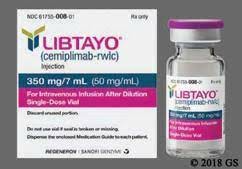
For patients with lung squamous cell carcinoma,The efficacy of Cemiplimab is also worthy of attention. Squamous NSCLC often has different molecular characteristics from adenocarcinoma subtypes, but the PD-1/PD-L1 immune pathway also plays an important role in squamous lung cancer. Clinical studies have shown that Cemiplimab not only shows good efficacy in monotherapy, but also can further improve the overall efficacy when used in combination with chemotherapy, including improvements in median OS, PFS and response rate. In studies of platinum-containing chemotherapy combined with immunotherapy, significant survival benefits were observed in both squamous and non-squamous NSCLC patients, indicating that Cemiplimab has potential first-line therapeutic value in patients with squamous lung cancer.
Long-term follow-up data show that Cemiplimab treatment can bring lasting remission and long-term survival benefit to some NSCLC patients. Compared with traditional chemotherapy, immunotherapy is better tolerated and sustainable, and some patients can still maintain disease control even if they stop treatment. However, the efficacy is also affected by factors such as PD-L1 expression level, tumor microenvironment and individual immune status. Therefore, in clinical practice, precise medication needs to be combined with the specific conditions of the patient. When formulating a treatment plan, doctors usually rationally arrange Cemiplimab monotherapy or combination therapy based on the pathological type, PD-L1 test results and previous treatment experience to achieve the best efficacy and reduce the risk of adverse reactions.
In general, cemiplimab (Cemiplimab) shows significant anti-tumor activity and long-term survival benefit in patients with high PD-L1 expression of NSCLC, especially in patients with lung squamous cell carcinoma. As more clinical trial data accumulates and real-world studies are conducted, the drug's application value in lung squamous cell carcinoma and other NSCLC subtypes has become increasingly clear. The emergence of Cemiplimab not only provides a new treatment option for patients with lung squamous cell carcinoma, but also provides an important reference for the widespread application of immunotherapy in solid tumors. Its potential advantages are even more prominent among patients who cannot tolerate traditional chemotherapy or have poor response to traditional treatment.
Keyword tags:
Cimepilimab, lung squamous cell carcinoma, indications, clinical studies, efficacy data,PD-L1expression, immunotherapy, survival
Reference materials:https://www.fda.gov/drugs/resources-information-approved-drugs/fda-approves-cemiplimab-rwlc-non-small-cell-lung-cancer-high-pd-l1-expression
[ 免责声明 ] 本页面内容来自公开渠道(如FDA官网、Drugs官网、原研药厂官网等),仅供持有医疗专业资质的人员用于医学药学研究参考,不构成任何治疗建议或药品推荐。所涉药品可能未在中国大陆获批上市,不适用于中国境内销售和使用。如需治疗,请咨询正规医疗机构。本站不提供药品销售或代购服务。


