
.jpeg)
Differences in antibacterial spectrum mechanisms of action and applicable diseases between linezolid (Siwo) and meropenem
Linezolid (Linezolid) is an oxizolidinone antibiotic that mainly works by inhibiting the 50S ribosomal subunit in bacterial protein synthesis, thereby preventing bacterial growth and reproduction. Its antibacterial spectrum mainly targets Gram-positive bacteria, including methicillin-resistant Staphylococcus aureus (MRSA), vancomycin-resistant enterococci (VRE) and other drug-resistant strains. Clinically, linezolid is often used to treat drug-resistant Gram-positive bacterial infections, severe pneumonia, skin and soft tissue infections, and bloodstream infections. It shows important value especially when traditional antibiotics are ineffective.
Meropenem (Meropenem) belongs to the carbapenem class of broad-spectrum β-lactam antibiotics. Its mechanism of action is to cause bacterial death by inhibiting bacterial cell wall synthesis. Meropenem has a broad antibacterial spectrum, covering not only Gram-positive bacteria, but also effective against most Gram-negative bacteria and anaerobic bacteria, such as Escherichia coli, Pseudomonas aeruginosa, etc. In clinical application, meropenem is commonly used for a variety of serious infectious diseases such as complicated abdominal infections, severe pulmonary infections, sepsis and meningitis, and is especially suitable for patients with multi-drug resistance or mixed infections.
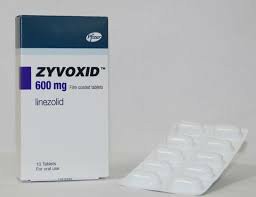
In terms of antibacterial spectrum and mechanism of action, linezolid and meropenem are significantly different. Linezolid mainly targets drug-resistant Gram-positive bacteria, emphasizing the inhibition of protein synthesis; while meropenem has a wider coverage, acting on cell wall synthesis, and can treat infections not only by Gram-positive bacteria, but also by Gram-negative bacteria and anaerobic bacteria. Therefore, when selecting drugs clinically, it is necessary to consider the type of infection, the nature of the pathogenic bacteria, and the drug resistance to improve the efficacy and reduce the risk of drug resistance.
In actual use, linezolid is usually used in patients with single-resistant Gram-positive bacterial infections or patients who are resistant to β-lactam drugs, while meropenem is mostly used in patients with severe infections, mixed bacterial infections, or patients with low immune function. When using drugs, doctors need to rationally select antibiotics based on the results of etiological examinations, the site of infection, and the patient's basic conditions to achieve precise treatment and reduce adverse reactions.
Keyword tags:
Linezolid, meropenem, antibacterial spectrum, mechanism of action, applicable diseases, difference and comparison, Gram-positive bacteria, Gram-negative bacteria
Reference materials:https://www.drugs.com/linezolid.html
[ 免责声明 ] 本页面内容来自公开渠道(如FDA官网、Drugs官网、原研药厂官网等),仅供持有医疗专业资质的人员用于医学药学研究参考,不构成任何治疗建议或药品推荐。所涉药品可能未在中国大陆获批上市,不适用于中国境内销售和使用。如需治疗,请咨询正规医疗机构。本站不提供药品销售或代购服务。


