
.jpeg)
What are the common side effects of tofacitinib (Shangjie) and precautions for different groups of people?
Tofacitinib is an oral small molecule Janus Kase (JAK) inhibitors are mainly used to treat autoimmune diseases such as moderate to severe rheumatoid arthritis (RA), psoriatic arthritis (PsA) and ulcerative colitis (UC). Because it reduces the activity of inflammatory mediators by inhibiting the JAK‑STAT signaling pathway, it has significant efficacy in controlling inflammation and improving joint function. However, the immunosuppressive effect of tofacitinib may also bring about a series of side effects. Patients need to fully understand the risks and conduct necessary monitoring before taking the drug and during treatment.
Clinical studies have shown that common adverse reactions of tofacitinib mainly include infectious events, hematological abnormalities, and changes in liver function or lipid metabolism. The most common infectious events are viral infections such as upper respiratory tract infection, nasopharyngitis, and herpes zoster. Some patients may develop serious infections such as pneumonia or recurrence of tuberculosis, especially in older patients or those taking other immunosuppressants. In addition, some patients will experience a decrease in platelet or white blood cell count during long-term use and require regular blood routine monitoring.
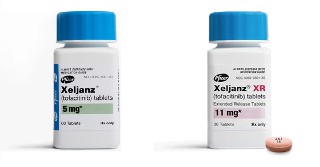
Hematological abnormalities are one of the issues that need to be focused on during tofacitinib treatment. Neutropenia or anemia may occur in some patients, especially in patients with underlying bone marrow insufficiency or a history of previous chemotherapy. For patients with abnormal liver function, tofacitinib may cause an increase in ALT or AST , so liver function indicators should be monitored regularly during the initial treatment and maintenance period. At the same time, tofacitinib may also cause an increase in blood lipids, including total cholesterol, LDL‑C and triglyceride levels, which requires intervention based on the patient's basal metabolic condition.
In special populations, tofacitinib should be used with greater caution. Elderly patients, those with liver and kidney dysfunction, and those with chronic infections or immune system diseases are more likely to experience side effects or serious adverse events. Tofacitinib is generally not recommended for pregnant and lactating women, or should be used under strict medical guidance after weighing the risks. In addition, patients should avoid receiving live vaccines during use and pay attention to personal protection to reduce the risk of infection. Doctors usually make individualized dosage adjustments based on the patient's underlying disease, concomitant medications, and laboratory indicators to maximize the efficacy and reduce the incidence of side effects.
Overall, tofacitinib has significant efficacy in the treatment of autoimmune diseases, but its side effects are mostly related to immunosuppression, and patients need to undergo regular monitoring and follow-up during use. By scientifically managing infection risks, blood indicators, liver and kidney functions, and making individual adjustments according to different groups of people, we can improve drug safety while ensuring efficacy, and provide patients with a sustainable long-term treatment plan.
Keyword tags:
Tofacitinib, common side effects, infection risk, hematological abnormalities, effects on liver function, special populations, precautions, side effect management
Reference materials:https://www.drugs.com/sfx/tofacitinib-side-effects.html
[ 免责声明 ] 本页面内容来自公开渠道(如FDA官网、Drugs官网、原研药厂官网等),仅供持有医疗专业资质的人员用于医学药学研究参考,不构成任何治疗建议或药品推荐。所涉药品可能未在中国大陆获批上市,不适用于中国境内销售和使用。如需治疗,请咨询正规医疗机构。本站不提供药品销售或代购服务。


