
.jpeg)
Larotrectinib/Vitax shows "prolonged survival benefit" in NTRK fusion treatment of advanced lung cancer
Two clinical trials showed that Larotrectinib showed a "prolonged survival benefit" in patients with advanced lung cancer carrying NTRK gene fusions. The researchers said the results from these trials also "support" the adoption of circulating tumor DNA (ctDNA) next-generation sequencing panels, including NTRK gene fusions, in clinical practice.
In this context, it is important to conduct studies that evaluateNTRK gene fusions with ctDNA because these fusions are oncogenic drivers of many cancers, including lung cancer. Larotinibis a highly selectiveTRK inhibitor approved for patients with tumors carrying NTRK gene fusions. The researchers evaluated the treatment's effectiveness and safety and analyzed ctDNA from patients with advanced lung cancer who received larotrectinib.
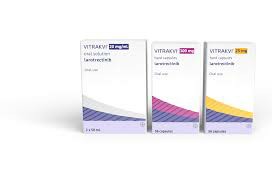
The study analyzed data from two clinical trials of larotrectinib in advanced lung cancer. As ofJuly 2022, these trials have enrolled 30 patients, 12 of whom have central nervous system metastases. Patients received a median of 2 lines of systemic therapy, with 67% receiving 2 or more. The presence of NTRK gene fusions was determined by local testing before patient enrollment. Patients received larotrectinib 100 mg twice daily. An independent review committee (IRC) evaluated patient responses. Guardant360 and GuardantOMNI were used to analyze ctDNA.
The overall response rate among 27 patients eligible for IRC evaluation was 74%, with a complete response (CR) of 11% and a partial response (PR) of 63%. Of the remaining patients, 14.8% had stable disease, 7.5% had progressive disease, and 3.7% were not evaluable. The median duration of response was 33.9 months. The median progression-free survival was 33 months and the median overall survival was 39.3 months. According to Drilon, treatment-related adverse events were "predominantly" grade 1 or 2.
ctDNA data were available for 14 patients, and ctDNA analysis detected NTRK gene fusions at the start of treatment in 6 of 14 patients (42.8%). ctDNA analysis showed baseline mutations in 9 patients (64.2%). Of the patients with available ctDNA data, 11 had previously received immunotherapy, including 1 patient with CR, 1 patient with stable disease, 2 patients with progressive disease, 2 patients not evaluable, and 5 patients with unknown response. Among these 11 patients, the best response to larotrectinib was PR in 8 patients, stable disease in 2 patients, and progressive disease in 1 patient.
In patients with advanced lung cancer harboringNTRK gene fusions, [larrotinib] demonstrated durable responses, prolonged survival benefit and a favorable safety profile. These results support the adoption of ctDNA next-generation sequencing panels, including NTRK gene fusions, in clinical practice.
References: Updated onJanuary 6, 2026, https://www.cancernursingtoday.com/post/larotrectinib-shows-extended-survival-benefit-in-advanced-lung-cancer-with-ntrk-fusions
[ 免责声明 ] 本页面内容来自公开渠道(如FDA官网、Drugs官网、原研药厂官网等),仅供持有医疗专业资质的人员用于医学药学研究参考,不构成任何治疗建议或药品推荐。所涉药品可能未在中国大陆获批上市,不适用于中国境内销售和使用。如需治疗,请咨询正规医疗机构。本站不提供药品销售或代购服务。


