
.jpeg)
What is the difference between capmatinib/touradida and savotinib?
Capmatinib and Savolitinib are both targeted drugs targeting MET gene mutations and play an important role in the treatment of MET-driven cancers. Although they have similar mechanisms of action and are both MET inhibitors, there are some differences in drug selectivity, indications, efficacy, and side effects. Understanding these differences can help doctors develop more personalized treatment plans for patients.
1. Mechanism of action of drugs
Capmatinib and servotinib are both MET receptor tyrosine kinase inhibitors that prevent the proliferation, migration and angiogenesis of tumor cells by inhibiting the activation of MET. The main mutation they target is the MET exon 14 skipping mutation (METex14), which is common in cancers such as non-small cell lung cancer (NSCLC) and kidney cancer. Although the two targets are the same, capmatinib is more selective and can effectively target the MET receptor while avoiding non-specific inhibition of other receptors. Savotinib has shown good efficacy in specific tumor types, especially for NSCLC patients related to MET gene mutations.
2. Indications and clinical applications
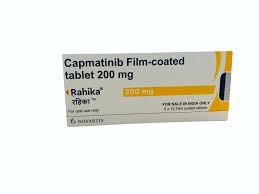
Capmatinib is mainly used to treatMETex14 skip mutation non-small cell lung cancer (NSCLC). In addition, capmatinib is also used to treat other MET-driven tumors, such as advanced renal cell carcinoma (RCC). Capmatinib is considered a broad-spectrum MET inhibitor with a wide range of indications. It can significantly improve patient survival by specifically inhibiting the kinase activity of MET.
The application of cervotinib is relatively limited and is mainly used to treat MET-driven tumors, especially METex14 mutation-positive non-small cell lung cancer (NSCLC). Unlike capmatinib, saivotinib has also been extensively studied in the Chinese market, especially in the treatment of advanced non-small cell lung cancer, where saivotinib has shown certain efficacy. Although saivotinib has a similar targeting effect on MET mutations as capmatinib, its broad range of indications and scope of application are relatively limited.
3. Efficacy and side effects of drugs
Both capmatinib and servotinib have shown good therapeutic effects, especially in in patients with METex14 mutation-positive non-small cell lung cancer (NSCLC). Clinical studies of capmatinib have shown that it can significantly prolong progression-free survival (PFS) and improve overall survival (OS) when treating patients with advanced non-small cell lung cancer. Its efficacy is relatively stable and its side effects are relatively controllable.
The efficacy of saivotinib cannot be ignored, especially among patients with non-small cell lung cancer in the Chinese market, saivotinib has shown good efficacy. It can significantly reduce tumor burden and provide more treatment hope for some advanced-stage patients. The side effects of saivotinib include fatigue, high blood pressure, nausea, etc., but overall, its side effects are mild and well tolerated by patients.
Capmatinib and servotinib are both important drugs in MET-targeted therapy. They play a key role in the treatment of MET gene mutation-related non-small cell lung cancer (NSCLC) and other MET-driven tumors. Both have similar mechanisms of action and are both MET inhibitors, but they differ in indications, efficacy, side effects, and price. Patients should choose the most appropriate drug based on their specific condition and doctor's recommendations.
Keyword tags: Capmatinib, Capmatinib, Savolitinib, Savolitinib, MET inhibitor, non-small cell lung cancer, lung cancer treatment, targeted drugs, cancer treatment
Reference materials:https://www.novartis.com/us-en/sites/novartis_us/files/tabrecta.pdf
[ 免责声明 ] 本页面内容来自公开渠道(如FDA官网、Drugs官网、原研药厂官网等),仅供持有医疗专业资质的人员用于医学药学研究参考,不构成任何治疗建议或药品推荐。所涉药品可能未在中国大陆获批上市,不适用于中国境内销售和使用。如需治疗,请咨询正规医疗机构。本站不提供药品销售或代购服务。


