
.jpeg)
The main components of Methylcobalamin Injection (Rozebalamin) and its principle of promoting nerve regeneration
Mecobalamin injection (Rozebalamin) is a neuroprotective drug developed by Japan's Eisai (Eisai) for the treatment of amyotrophic lateral sclerosis (ALS). Its main active ingredient is methylcobalamin (Mecobalamin). Methylcobalamin is an active form of vitamin B12 that can directly participate in the metabolic process of nerve cells and promote the repair of nerve sheaths and nerve fibers through methylation reactions in the body. Methylcobalamin is more bioavailable in the nervous system than common vitamin B12 supplements and can effectively enter the central and peripheral nervous systems.
Methylcobalamin injection works by promoting nerve myelin repair and axon regeneration. Its mechanism mainly includes enhancing the activity of methyl donors and accelerating the methylation process of DNA, RNA and proteins, thereby improving the structural integrity of nerve cell membranes and myelin sheaths. At the same time, methylcobalamin can increase the expression of nerve growth factor (NGF) and support the survival and functional recovery of damaged neurons. For ALS patients, methylcobalamin can slow down the degeneration process of motor neurons to a certain extent, delay muscle atrophy and decline in motor function.
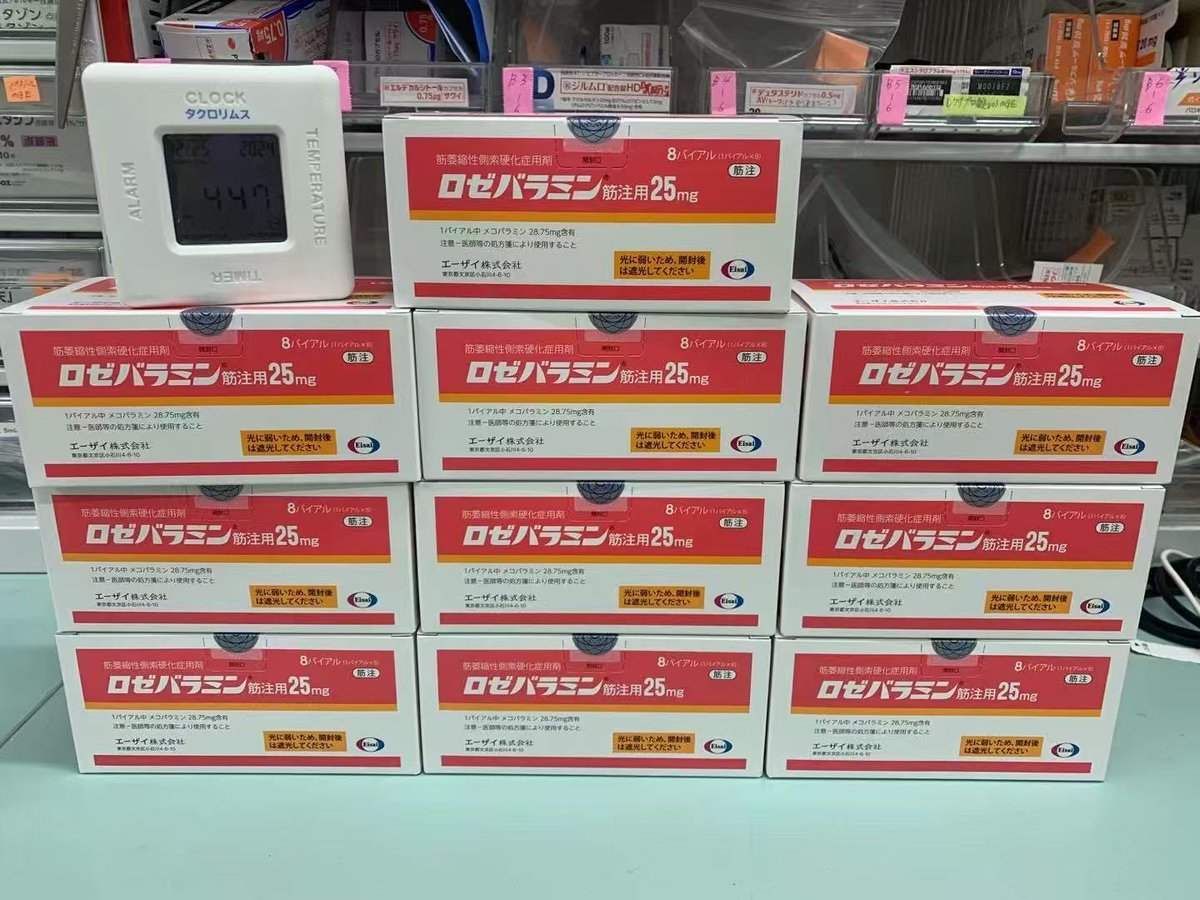
In addition, methylcobalamin also has antioxidant and anti-apoptotic effects. In experimental models, methylcobalamin can reduce free radical damage to neurons, stabilize mitochondrial function, and reduce the activity of apoptosis-related proteins. This multi-target mechanism of action enables it to demonstrate neuroprotective potential in the treatment of ALS and can be used in combination with other symptomatic treatments to enhance the overall efficacy. The injection dosage form can directly enter the blood circulation and increase the concentration of the drug in the central nervous system, thereby achieving more precise therapeutic effects.
The use of methylcobalamin injection provides a treatment strategy with clear pathological basis and targeted nerve repair for patients with ALS. Clinical studies have shown that in patients who used methylcobalamin in the early stages, stabilization or slower decline in motor function could be observed. Since its mechanism of action involves nerve regeneration and myelin repair, long-term use can help delay disease progression. At the same time, it is well tolerated and has a low incidence of adverse reactions, providing a reliable drug option for the comprehensive management of ALS .
Reference materials:https://pubmed.ncbi.nlm.nih.gov/34874628/
[ 免责声明 ] 本页面内容来自公开渠道(如FDA官网、Drugs官网、原研药厂官网等),仅供持有医疗专业资质的人员用于医学药学研究参考,不构成任何治疗建议或药品推荐。所涉药品可能未在中国大陆获批上市,不适用于中国境内销售和使用。如需治疗,请咨询正规医疗机构。本站不提供药品销售或代购服务。


