
.jpeg)
Precautions and tips for taking Teritusumab/Telica
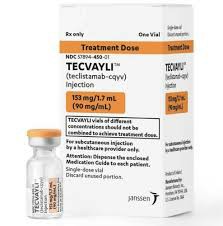
Teritusumab (Teclistamab-cqyv) is a bispecific antibody targeting BCMA and CD3, which can exert anti-tumor effects by activating T cells. Because of its strong immune activation mechanism, it is necessary to pay close attention to a series of immune-related adverse reactions during clinical research and actual use. Early identification and standardized management of these risks are important prerequisites for ensuring the safety of treatment.
1. Risk management of cytokine release syndrome (CRS)
Cytokine release syndrome is considered one of the most representative immune-related reactions in patients treated with teritusumab. The occurrence of this syndrome is related to the rapid activation of T cells and the release of large amounts of inflammatory mediators. The clinical manifestations can develop from mild discomfort to severe or even life-threatening conditions. Common symptoms include elevated body temperature, chills, hypotension, increased heart rate, difficulty breathing, headache, and abnormal liver function indicators.
In order to reduce the possibility of CRS, an ascending dose administration strategy is usually adopted clinically, and corresponding pretreatment drugs are given before treatment. At the same time, close monitoring of patients is particularly critical during the initial administration and dose escalation stages. Once signs of suspected CRS appear, the patient's condition should be quickly assessed, hospitalization should be arranged for observation if necessary, and supportive intervention measures should be taken according to the degree of response.
2. Neurotoxicity andICANS-related risks
Territuzumab may cause a variety of neurological adverse reactions, including immune effector cell-associated neurotoxic syndrome (ICANS). This type of reaction manifests itself in various forms, including headache, altered state of consciousness, abnormal sensation, and motor coordination disorders. In severe cases, it may develop into an encephalopathy state. Neurotoxicity may occur simultaneously with CRS, may occur independently after CRS has resolved, or even occur independently in the absence of CRS.
Therefore, the patient's neurological status should be continuously assessed during treatment. Any new neurological symptoms should be promptly evaluated by a professional and managed accordingly depending on the severity. In view of the possible risk of decreased consciousness, patients should avoid driving or operating potentially dangerous machinery during the initial period of medication and when experiencing neurological discomfort.
3. Monitoring of liver function abnormalities and hepatotoxicity
During teritusumab treatment, some patients may experience increased levels of liver enzymes or bilirubin. This change may be related toCRS or may occur independently. In individual cases, liver function damage may be severe and even life-threatening. Therefore, baseline liver function assessment should be performed before starting treatment, and relevant indicators should be reviewed regularly during treatment.
4. Infection risks and immune protection strategies
Due to the profound regulatory effect of teritusumab on the immune system, patients are at a significantly increased risk of infection during treatment, including bacterial, viral and other opportunistic infections. Some infections can progress quickly and carry a higher risk. In clinical management, potential infection should be investigated before treatment and signs of infection should be closely observed during treatment. At the same time, preventive anti-infective measures are adopted based on the patient's condition, and immune globulin levels are regularly monitored to reduce the possibility of serious infection.
5. Neutropenia and hematological abnormalities
During teritusumab treatment, neutropenia may occur, and some patients may also experience fever, thereby increasing the risk of infection. Therefore, routine blood monitoring needs to be carried out regularly during the entire treatment cycle, patients with abnormal hemograms should be given timely supportive treatment, and infection monitoring should be strengthened.
6. Administration-related reactions and allergic reactions
Some patients may experience systemic administration reactions or local injection site reactions, such as redness, swelling, pain or discomfort during medication. Although most reactions are controllable, observation after administration is still required to ensure patient safety.
7. Reproductive toxicity and pregnancy risk tips
Based on its immune mechanism of action, teritusumab may have adverse effects on the fetus when used during pregnancy. Therefore, women of childbearing potential should be clearly informed of the related risks and take reliable contraceptive measures during treatment and for a period after the last dose to reduce potential risks.
Keyword tags: Teritusumab safety,Teclistamab adverse reactions, CRS risk management, ICANS neurotoxicity, multiple myeloma immunotherapy, Teritusumab medication precautions
Reference materials:https://www.mayoclinic.org/drugs-supplements/teclistamab-cqyv-subcutaneous-route/description/drg-20545969
[ 免责声明 ] 本页面内容来自公开渠道(如FDA官网、Drugs官网、原研药厂官网等),仅供持有医疗专业资质的人员用于医学药学研究参考,不构成任何治疗建议或药品推荐。所涉药品可能未在中国大陆获批上市,不适用于中国境内销售和使用。如需治疗,请咨询正规医疗机构。本站不提供药品销售或代购服务。


