
.jpeg)
Lorlatinib/lorlatinib (Borina) belongs to the first generation of anti-cancer drugs
Lorlatinib/ Lorlatinib ( Lorlatinib) is classified as a third-generation ALK inhibitor and is a new generation of targeted therapy drugs following the first-generation crizotinib and the second-generation alectinib and ceritinib. The biggest advantage of third-generation ALK inhibitors lies in their ability to inhibit drug-resistant mutations of the first two generations of drugs, especially against common drug-resistant mutations such as G1202R.
Lorlatinib can penetrate the blood-brain barrier and also has a certain therapeutic effect on brain metastases, which is relatively lacking among first- and second-generation drugs. Clinical practice and guidelines show that lorlatinib can prolong progression-free survival in patients who have previously received ALK inhibitor treatment and developed resistance, and has advantages in overall safety and tolerability.
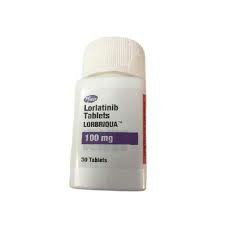
The emergence of third-generation drugs has solved the clinical problems of some non-small cell lung cancer patients who developed drug resistance or brain metastasis in the early stages of treatment, and provided a longer-term control solution for ALK-positive non-small cell lung cancer. At the same time, lorlatinib has clear guidance on dosage, administration and efficacy monitoring, and doctors can make individual adjustments based on the patient's drug resistance type, weight, liver and kidney function and other factors.
In addition, the third generationALK inhibitors also reflect the new trend in targeted drug development, which is to precisely design the resistance mechanism and solve the problem of early treatment failure at the molecular level. When patients use lorlatinib, they can not only obtain the inhibitory effect on early drug-resistant mutations, but also slow down disease progression and improve quality of life. With the accumulation of experience in use, some manageable adverse reactions have been noticed clinically, such as increased blood lipids, edema and central nervous system-related symptoms, which require regular monitoring.
Understanding that lorlatinib is a third-generation anti-cancer drug can help patients scientifically understand its efficacy advantages and clinical positioning. Lorlatinib provides an effective treatment option for patients who are at risk of brain metastasis or who already have brain metastasis.
Keyword tags: Lolatinib generation, third generationALK inhibitor, Lorlatinib mechanism of action, resistance mutation suppression, ALK-positive lung cancer, brain metastasis treatment, targeted anticancer drugs, lung cancer drug resistance regimen
Reference materials:https://go.drugbank.com/drugs/DB12130
[ 免责声明 ] 本页面内容来自公开渠道(如FDA官网、Drugs官网、原研药厂官网等),仅供持有医疗专业资质的人员用于医学药学研究参考,不构成任何治疗建议或药品推荐。所涉药品可能未在中国大陆获批上市,不适用于中国境内销售和使用。如需治疗,请咨询正规医疗机构。本站不提供药品销售或代购服务。


