
.jpeg)
Common side effects of ribociclib (Calilon) and tips on how to reduce toxic reactions and improve tolerance
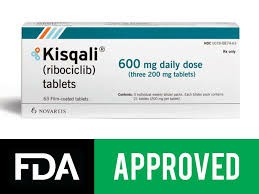
Ribociclib is an oral, selective CDK4/6 inhibitor that is widely used in the treatment of hormone receptor-positive, HER2 -negative advanced or metastatic breast cancer. As a drug targeting key regulatory proteins of the cell cycle, ribociclib can block the transition from the G1 phase to the S phase, thereby inhibiting tumor cell proliferation. Although the efficacy is clear, ribociclib is also associated with certain side effects and toxic reactions during clinical use. Therefore, understanding its common side effects and scientific management strategies is of great significance to improving patient tolerance and treatment continuity.
Common side effects of ribociclib mainly include bone marrow suppression, liver function abnormalities, electrocardiogram QT prolongation and gastrointestinal symptoms. Myelosuppression manifests as neutropenia, leukopenia, or anemia, and patients may experience mild to moderate hemogram decline in the early stages of treatment. If left uncontrolled, severe neutropenia may increase the risk of infection. Abnormal liver function mainly manifests as elevated transaminase or mild elevation of bilirubin, and some patients may experience significant index fluctuations after several weeks of continuous administration. In terms of cardiotoxicity, QT interval prolongation is rare, but attention should still be paid, especially in patients with combined heart disease or other QT prolonging drugs. Gastrointestinal symptoms such as nausea, diarrhea, and loss of appetite are also common drug-resistant reactions, especially in the early stages of treatment, but can generally be improved through symptomatic treatment.
In order to reduce side effects and improve patient tolerance, multiple strategies are usually adopted in clinical practice. First of all, strict monitoring of blood and liver function is the basis. Before the start of treatment and during each cycle, patients should undergo routine blood tests and liver function tests. If a significant decrease in neutrophils or transaminases is found, the risk can be reduced by delaying the dose, reducing the dose, or suspending the medication. Secondly, ECG monitoring cannot be ignored. QT interval assessment should be carried out at the beginning of treatment and after dose adjustment to ensure the safety of the heart rhythm; for patients with heart disease or combined medications, the dose should be adjusted or alternative options should be selected under professional guidance.
In addition, symptomatic and supportive treatment measures can also be taken for gastrointestinal reactions and mild to moderate bone marrow suppression. For patients with nausea and decreased appetite, the quality of life can be improved through small frequent meals, dietary adjustments, and necessary antiemetics. People with decreased neutrophils can use growth factor support under the guidance of a doctor, such as G-CSF, to help quickly restore blood levels and reduce the risk of infection. For some patients, staged dose escalation or periodic intermittent administration can also effectively reduce toxic reactions while ensuring drug efficacy.
The patient's own lifestyle adjustments are also key to improving tolerance. Regular work and rest, a balanced diet and moderate exercise can enhance the body's resistance and reduce the chance of infection. Patients should strictly abide by the medication taking time and avoid interactions with QT Extend the use of drugs or potent CYP3A4 inhibitors/ inducers to reduce the risk of potential drug interactions. Regular follow-up and maintaining communication with the medical team are also important ways to detect and deal with side effects in a timely manner. Through multi-dimensional monitoring, dose management, symptomatic treatment and life intervention, the toxic reactions of ribociclib can be effectively controlled in most patients, significantly improving the continuity of treatment and clinical benefits.
In general, ribociclib has clear efficacy in the treatment of advanced breast cancer, but is accompanied by common side effects such as bone marrow suppression, abnormal liver function, QT interval prolongation and gastrointestinal reactions. Through systematic monitoring, individualized dose adjustment, symptomatic support and lifestyle optimization, toxic reactions can be effectively reduced, patient tolerance improved, and the continuity of treatment courses ensured. For clinicians and patients, understanding the characteristics of side effects and scientific management are important guarantees for fully utilizing the therapeutic value of ribociclib and achieving long-term disease control.
Keyword tag:
Ribociclib, Calilon, common side effects, toxic reactions, tolerance improvement, bone marrow suppression, abnormal liver function, QT prolongation, gastrointestinal reactions, monitoring strategies, supportive care, lifestyle
Reference materials:https://en.wikipedia.org/wiki/Ribociclib
[ 免责声明 ] 本页面内容来自公开渠道(如FDA官网、Drugs官网、原研药厂官网等),仅供持有医疗专业资质的人员用于医学药学研究参考,不构成任何治疗建议或药品推荐。所涉药品可能未在中国大陆获批上市,不适用于中国境内销售和使用。如需治疗,请咨询正规医疗机构。本站不提供药品销售或代购服务。


