
.jpeg)
Common clinical manifestations of therapeutic effects and improvements after taking Cycloserine for one year
Cycloserine is a second-line antituberculosis drug used to treat drug-resistant tuberculosis (especially MDR-TB) and some atypical mycobacterial infections. After patients take it regularly for one year, the most common clinical improvement is first reflected in the gradual reduction of respiratory symptoms such as cough, sputum, and chest tightness, and the reduction of pulmonary infection load. Many patients can experience symptom relief within the first 3~6 months. After one year of treatment, the pulmonary inflammatory response is usually further stabilized, helping to consolidate bacteriological negative conversion and reduce the risk of recurrence. This long-term persistence is particularly important because treatment cycles for drug-resistant tuberculosis are often long, and cycloserine is one of the key drugs in maintenance treatment.
In terms of bacteriological efficacy, patients who insist on taking the medicine for one year can often achieve a higher sputum culture negative conversion rate. Most studies have shown that the use of cycloserine in combination with other regimens can help improve the overall cure rate of MDR-TB and make infection control more thorough. As the bacterial load decreases, the scope of lesions on chest X-ray or CT also often shrinks, and the cavities in some patients can gradually close or reduce. Although the imaging recovery speed of each patient is different, after one year of regular medication, most can see the lesions stabilize or improve, which is an important indicator of the success of treatment.
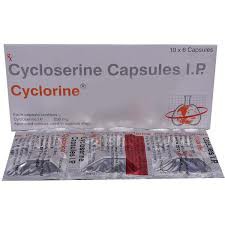
Long-term use of cycloserine for one year often leads to improvements in physical fitness, such as reduced fatigue, gradual weight recovery, and reduced night sweats. These are typical clinical manifestations after the infection is effectively controlled. Some patients have improved activity tolerance, reduced dyspnea, and gradually improved quality of life. For patients with malnutrition or reduced immunity due to long-term disease, their physical condition usually improves significantly after one year of stable treatment, helping to return to normal activity levels.
It should be noted that although cycloserine has clear efficacy, long-term use for one year must be monitored by a medical team, because the drug may cause adverse reactions to the nervous system, such as mood swings, anxiety, sleep abnormalities and even peripheral neuropathy. Most patients can successfully complete the course of treatment under standardized monitoring and dose adjustment. Generally speaking, after one year of continuous use, cycloserine can usually achieve significant effects in terms of symptom improvement, bacteriology negative conversion, imaging improvement, and physical fitness improvement. It is one of the indispensable core drugs in the treatment plan for drug-resistant tuberculosis.
Keyword tag:
Cycloserine, therapeutic effect, improvement, clinical manifestations, symptom relief, bacteriology turned negative, imaging improved, physical fitness improved, long-term medication, neurological side effects
Reference materials:https://pubmed.ncbi.nlm.nih.gov/?term=cycloserine
[ 免责声明 ] 本页面内容来自公开渠道(如FDA官网、Drugs官网、原研药厂官网等),仅供持有医疗专业资质的人员用于医学药学研究参考,不构成任何治疗建议或药品推荐。所涉药品可能未在中国大陆获批上市,不适用于中国境内销售和使用。如需治疗,请咨询正规医疗机构。本站不提供药品销售或代购服务。


