
.jpeg)
Erlotinib (Tarceva) standard usage and dosage and individualized adjustment plans for different patients
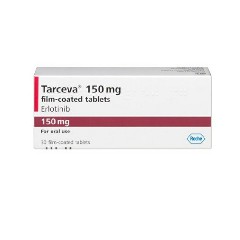
Erlotinib (Erlotinib), as a classic EGFR-TKI, is generally used for patients with EGFR mutation-positive non-small cell lung cancer. Its standard recommended dose is usually 150 mg orally administered daily, taken on an empty stomach (before eating) 1 hour or 2 hours after eating). This method of administration can ensure stable drug absorption and maintain sufficient blood concentration to inhibit cancer cell proliferation. For patients who need to adjust the dose due to adverse reactions such as rash, diarrhea, or abnormal liver function, the dose is usually reduced step by step to 100 mg or 50 mg. However, this needs to be done after a doctor's evaluation. Patients are not recommended to reduce the dose on their own.
In elderly patients or patients with weak constitutions, the starting dose of erlotinib is still mostly 150 mg, but clinical emphasis is placed on close monitoring of tolerance. Some elderly patients are more likely to experience side effects such as rash, fatigue, and loss of appetite due to reduced liver and kidney metabolism. At this time, dose reduction is usually performed based on the severity of symptoms to avoid treatment interruption due to toxic events. Overall, elderly people can usually continue to maintain treatment after moderate dose adjustment, and the efficacy is not significantly affected by dose reduction.
For patients with hepatic impairment, individualized adjustment of erlotinib is particularly important. Mild liver damage generally does not require dose adjustment, but changes in liver enzymes need to be closely monitored; if the liver damage is moderate to severe, the dose may need to be reduced or the frequency of monitoring may need to be extended based on changes in liver function to avoid drug accumulation leading to increased toxicity. In addition, because erlotinib is mainly metabolized by the liver, tumor patients with liver metastases also need to regularly evaluate liver function during treatment so that the regimen can be adjusted in a timely manner.
Another key factor is smoking status. Smoking will significantly induce liver enzyme activity, accelerate the metabolism of erlotinib, and reduce the blood concentration of the drug, thus affecting the efficacy. Therefore, smokers are strongly advised to quit smoking during treatment to maintain effective blood concentrations. If the patient cannot quit smoking, some guidelines mention that the dose may need to be increased. However, due to side effects and safety issues, clinical practice usually prefers to quit smoking first and then use the standard dose. Taken together, the dosage of erlotinib in different patients needs to take into account both efficacy and tolerability, and treatment benefits can be maximized through individualized adjustments.
Keyword tag:
Erlotinib, Loritate, standard usage and dosage, individualized adjustment, elderly patients, liver function, smoking status, dose adjustment, efficacy and tolerability
Reference:https://www.cancer.gov/about-cancer/treatment/drugs/erlotinib
[ 免责声明 ] 本页面内容来自公开渠道(如FDA官网、Drugs官网、原研药厂官网等),仅供持有医疗专业资质的人员用于医学药学研究参考,不构成任何治疗建议或药品推荐。所涉药品可能未在中国大陆获批上市,不适用于中国境内销售和使用。如需治疗,请咨询正规医疗机构。本站不提供药品销售或代购服务。


