
.jpeg)
Analysis of the clinical effects and main therapeutic effects of Mitotane
Mitotane is a specific drug specially used to treat adrenocortical cancer (ACC). It is currently the only widely recognized systemic treatment option that can directly act on adrenocortical cells. Its mechanism is mainly by selectively destroying the zona fasciculata and zona reticularis cells of the adrenal cortex, reducing the production of hormones such as cortisol, and inhibiting the growth and secretion of tumor cells from the source. This gives it an irreplaceable clinical status in postoperative adjuvant therapy, hormone-secreting tumor control, and advanced disease management. It is a core drug clearly recommended in international guidelines.
In terms of therapeutic efficacy, mitotane can effectively reduce excess cortisol levels in the body, thereby improving hypertension, hypokalemia, uncontrolled blood sugar and Cushingoid symptoms caused by hormone secretion. For patients with hormone secreting ACC , symptom improvement is often the first part of treatment effectiveness. At the same time, clinical studies have shown that mitotane has certain anti-tumor activity and can delay tumor progression, shrinking the lesions or maintaining long-term stability in some patients. For people at high risk of recurrence after surgical resection, long-term use of mitotane can significantly reduce the recurrence rate and improve survival time.
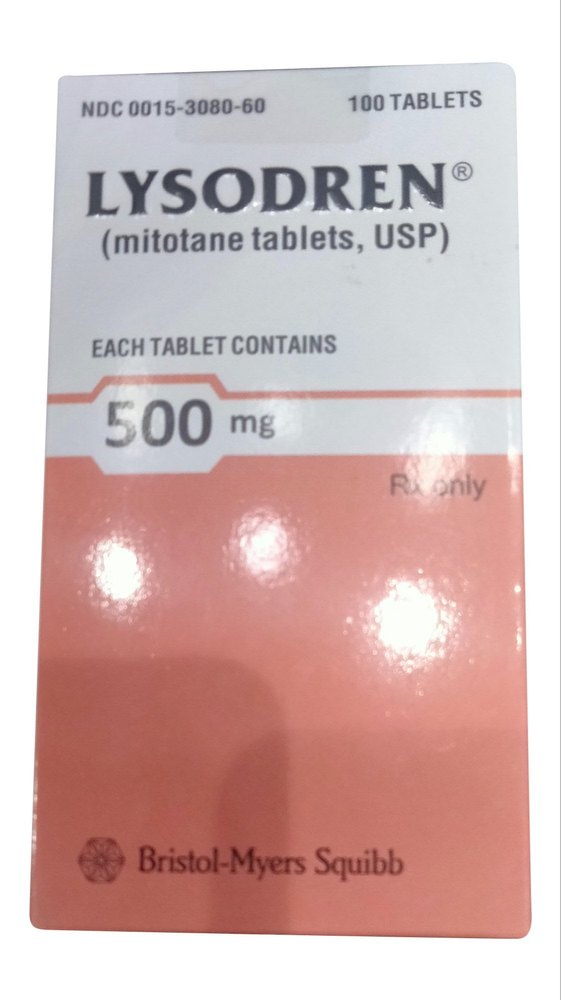
In patients with advanced stage or inoperable ACC , mitotane can be used as a single agent or in combination with chemotherapy regimens such as EDP to improve the overall response rate. The characteristic of its treatment is that it needs to maintain a certain blood concentration to achieve stable efficacy, so it usually needs to be gradually increased to reach the target level. Although the onset of action is slow, it can continue to exert its inhibitory effect after reaching a steady state, providing relatively stable disease control for advanced patients.
In general, the clinical value of mitotane is mainly reflected in three aspects: high selectivity for the adrenal cortex, significant improvement of hormone-related symptoms, and long-term inhibition of disease progression. Although gastrointestinal discomfort, neurological symptoms, and changes in lipid metabolism may occur during treatment, most can be managed through dose adjustment and supportive care. As currently the most important systemic treatment for ACC , mitotane remains the most evidence-based treatment option in terms of improving quality of life, delaying disease progression, and improving survival rates.
Keyword tag:
Mitotan, clinical effects, therapeutic efficacy, adrenocortical carcinoma, ACC, hormone suppression, anti-tumor activity, postoperative adjuvant, late treatment, plasma concentration
Reference materials:https://pubmed.ncbi.nlm.nih.gov/?term=mitotane
[ 免责声明 ] 本页面内容来自公开渠道(如FDA官网、Drugs官网、原研药厂官网等),仅供持有医疗专业资质的人员用于医学药学研究参考,不构成任何治疗建议或药品推荐。所涉药品可能未在中国大陆获批上市,不适用于中国境内销售和使用。如需治疗,请咨询正规医疗机构。本站不提供药品销售或代购服务。


