
.jpeg)
Precautions and tips for taking Quizartinib
Quizartinib(Quizartinib) is a kinase inhibitor targeting FLT3-ITD-positive acute myeloid leukemia (AML). Special attention needs to be paid to its potential serious cardiac risks during clinical use.
1. Heart risk andQT interval prolongation: Quizatinib will prolong QT interval in a dose- and concentration-dependent manner. Its mechanism is mainly to inhibit slow delayed rectifier potassium current (IKs), unlike most drugs that prolong QTc by inhibiting fast delayed rectifier potassium current (IKr). QT prolongation can lead to torsade de pointes, ventricular fibrillation, cardiac arrest, or sudden death. In clinical trials, a small number of patients developed torsade de pointes or fatal cardiac events during the induction phase.
2. Cardiac assessment before medication: Before starting treatment, patients with QTcF ≥ 450 milliseconds, as well as patients with uncontrolled heart failure, recent myocardial infarction, unstable angina, severe atrioventricular block, or severe aortic stenosis should be excluded. An electrocardiogram and blood electrolyte assessment are necessary to reduce the risk of arrhythmias.
3. Monitoring during treatment: During the induction and consolidation stages, patients need to undergo ECG monitoring at least once a week before starting medication and during medication, and more frequently if necessary. During the initial period of medication during the maintenance period, it is also necessary to monitor the electrocardiogram once a week in order to promptly detect QT prolongation or abnormal heart rhythm. Patients with electrolyte abnormalities (such as hypokalemia, hypomagnesemia) need to be corrected and maintained within the normal range, especially in cases of diarrhea or vomiting, and should be closely monitored.
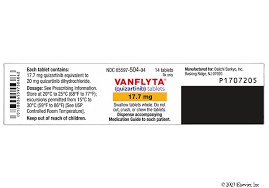
4. Dose adjustment and combined medication: IfQTcF is greater than 480 milliseconds but less than 500 milliseconds, the dose should be reduced; if QTc is greater than 500 milliseconds or accompanied by life-threatening arrhythmia, medication should be interrupted or permanently discontinued. When used concomitantly with strong CYP3A inhibitors, the dose of quizartinib needs to be reduced to prevent increased drug exposure and increased risk of cardiotoxicity. Coadministration with other drugs that prolong QT should increase the frequency of ECG monitoring.
5. Fertility and fetal risks: Quizartinib has shown obvious embryotoxicity in animal experiments, and its use by pregnant women can cause fetal structural abnormalities and growth restriction. It is recommended that female patients with childbearing potential use effective contraception during treatment and within 7 months after the last dose; male patients with childbearing potential partners also need to use effective contraception during treatment and within 4 months after the last dose.
6. Clinical use requirements: Quizatinib can only be obtained through restricted procedures (REMS), and cardiac risks, electrolyte levels and reproductive risks must be carefully assessed before use. Strict monitoring of electrocardiogram and electrolyte changes during treatment is a key means to ensure safety and efficacy.
In summary, quizartinib is a targeted drug for FLT3-ITD-positive AML patients, but its use is associated with serious cardiac risks and embryotoxicity. Clinicians and patients need to closely follow standardized measures such as monitoring, dose adjustment, and fertility protection to ensure safe medication and therapeutic effects.
Keyword tags: Quizartinib Precautions QT interval prolongation, torsade de pointes, arrhythmia, AML, fetal toxicity, VANFLYTA, safe medication, electrolyte monitoring
Reference materials:https://go.drugbank.com/drugs/DB12874
[ 免责声明 ] 本页面内容来自公开渠道(如FDA官网、Drugs官网、原研药厂官网等),仅供持有医疗专业资质的人员用于医学药学研究参考,不构成任何治疗建议或药品推荐。所涉药品可能未在中国大陆获批上市,不适用于中国境内销售和使用。如需治疗,请咨询正规医疗机构。本站不提供药品销售或代购服务。


