
.jpeg)
What will happen after stopping selumetinib/coseutinib?
Selumetinib is an oral MEK1/2 inhibitor that mainly controls the growth of plexiform neurofibromas (PN) in patients with neurofibromatosis type I (NF1) by inhibiting abnormal activation of the RAS-MAPK signaling pathway. This drug is not a radical treatment, but a targeted drug with "sustained suppression" as its core logic. Therefore, changes after discontinuation are a matter of great concern to patients and their families.
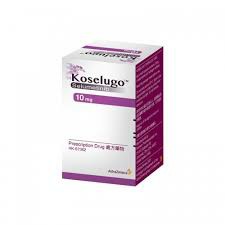
From a disease control perspective, the most common concern after discontinuation of selumetinib is whether the tumor will grow again. Clinical observation and real-world follow-up experience show that in some patients, plexiform neurofibromas that were originally under control may gradually resume growth after drug withdrawal. This change usually does not occur suddenly, but as the inhibitory effect of the drug disappears, the tumor-related signaling pathways become active again, allowing the tumor to enter a new growth stage. For patients who have responded well to drugs, they may still maintain a relatively stable period after stopping the drug, but long-term stability is not guaranteed.
It should be noted that discontinuation of selumetinib will not have a significant impact on other non-tumor manifestations of NF1. For example, cutaneous café-au-lait spots, skeletal abnormalities, or other systemic manifestations are generally not related to the use of the drug. The target of selumetinib is relatively concentrated, mainly affecting tumor-related pathways, so the changes after drug withdrawal are mostly concentrated in PN itself.
In clinical practice, whether to discontinue a drug is usually based on a combination of factors, including drug tolerance, side effect management, persistence of efficacy, and patient quality of life. Some patients may choose to continue taking the drug because it is well tolerated in the long term, while other patients may need to suspend or terminate treatment due to adverse reactions or other practical factors. In either case, imaging and symptom changes need to be followed closely after drug discontinuation so that management strategies can be adjusted in a timely manner.
Keyword tag: Selumetinib Discontinuation Impact NF1 Plexiform Neurofibroma Discontinuation Consequences Tumor Growth Pain Relapse MEK Inhibition
Reference materials:https://www.koselugo.com/
[ 免责声明 ] 本页面内容来自公开渠道(如FDA官网、Drugs官网、原研药厂官网等),仅供持有医疗专业资质的人员用于医学药学研究参考,不构成任何治疗建议或药品推荐。所涉药品可能未在中国大陆获批上市,不适用于中国境内销售和使用。如需治疗,请咨询正规医疗机构。本站不提供药品销售或代购服务。


