
.jpeg)
The latest official instructions for Erlotinib (Loret) cover usage, dosage and precautions
Erlotinib is an oral small molecule tyrosine kinase inhibitor that mainly acts on epidermal growth factor receptor (EGFR) tyrosine kinase, blocking the activation of downstream signaling pathways, thereby inhibiting tumor cell proliferation and promoting apoptosis. It has shown clear efficacy in the treatment of non-small cell lung cancer (NSCLC) and locally advanced or metastatic pancreatic cancer, especially for patients with EGFR mutation-positive patients. According to the official instructions, the usage, dosage and precautions of erlotinib are crucial to ensuring the efficacy and safety of the drug.
In terms of usage, erlotinib is an oral medication and is recommended to be taken on an empty stomach to ensure the best absorption of the drug. Once daily, the usual recommended dose is 150mg for non-small cell lung cancer, and the recommended dose for pancreatic cancer combined with gemcitabine is 100mg. Patients should maintain regular medication and should not change the medication time or dosage at will to avoid affecting the efficacy or increasing the risk of adverse reactions. If you miss a dose, take it as soon as possible, but do not double the dose on the same day.
Regarding dose adjustment, the instructions clearly state that for patients who experience severe adverse reactions, such as severe rash, diarrhea, abnormal liver function, or interstitial lung disease, temporary drug discontinuation or dose reduction should be considered. For example, if a patient develops significant elevations in liver enzymes, the daily dose can be reduced to 100 mg or less and the recovery of liver function should be closely monitored. Patients should adjust the dosage under the guidance of a professional physician and should not add or subtract at will. During long-term treatment, regular monitoring of blood indicators, liver and kidney function, and skin conditions is essential.
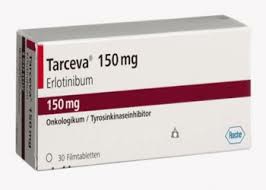
In terms of adverse reactions, common side effects of erlotinib include rash, diarrhea, loss of appetite, fatigue, and nail abnormalities. The rashes are mostly pink papules or maculopapular rashes, which usually appear in the early stages of treatment. Severe rash or diarrhea may lead to treatment interruption, so early recognition and intervention are critical. The instructions recommend using topical moisturizers, anti-inflammatory or antibiotics to treat the rash, as well as paying attention to sun protection and avoiding irritating skin care products.
In addition, rare but serious adverse reactions include interstitial lung disease, gastrointestinal perforation, and severe hepatotoxicity. If patients develop persistent cough, difficulty breathing, jaundice or abdominal pain, they should stop taking the drug immediately and seek medical advice. For patients with hepatic insufficiency, renal insufficiency or other diseases, a comprehensive evaluation is required before initial treatment, and relevant indicators are reviewed regularly during the treatment process.
Drug interactions are also one of the key reminders in the instructions. Erlotinib is mainly metabolized by the liverCYP3A4, and simultaneous use with CYP3A4 strong inducers or inhibitors may significantly affect the plasma concentration, thereby affecting the efficacy or increasing toxicity. Therefore, you should inform your doctor about all medications you are taking, including Chinese patent medicines and health supplements.
Overall, erlotinib has clear efficacy in the treatment of non-small cell lung cancer and pancreatic cancer, but safety management requirements are strict. Strictly following medication instructions, regularly monitoring indicators, early intervention in adverse reactions, and following the guidance of professional physicians for dose adjustments are the keys to ensuring efficacy and reducing risks. With the accumulation of clinical experience and the improvement of personalized treatment strategies, erlotinib can provide more precise and safe treatment options for EGFR mutation-positive patients.
Keyword tags:
Erlotinib, EGFR inhibitor, non-small cell lung cancer, NSCLC, pancreatic cancer, market price, price factors, medical insurance, generic drugs, original drugs
ReferenceInformation:https://pubmed.ncbi.nlm.nih.gov/?term=erlotinib
[ 免责声明 ] 本页面内容来自公开渠道(如FDA官网、Drugs官网、原研药厂官网等),仅供持有医疗专业资质的人员用于医学药学研究参考,不构成任何治疗建议或药品推荐。所涉药品可能未在中国大陆获批上市,不适用于中国境内销售和使用。如需治疗,请咨询正规医疗机构。本站不提供药品销售或代购服务。


