
.jpeg)
Analysis of ponatinib 15mg dosage specifications, indications and patient medication reference guide
Ponatinib (Ponatinib) is a third-generation oral tyrosine kinase inhibitor (TKI), mainly targeting BCR-ABL fusion gene-positive chronic myelogenous leukemia ( CML) and acute lymphoblastic leukemia (ALL) patients. It also has a significant inhibitory effect on the T315I mutant strain. Ponatinib binds with high affinity to the ATP binding site of BCR-ABLkinase, blocking downstream signal transduction, inhibiting leukemia cell proliferation and promoting apoptosis, thereby controlling the progression of the disease. It is particularly important for drug-resistant patients, because the T315I mutation often causes first- and second-generation TKI treatment failure.
Ponatinib is available in a variety of clinical dosage specifications, of which 15 mg tablets are the commonly used low-dose regimen. This dose is intended primarily for maintenance therapy or for dose adjustment when patients are at risk for vascular events. The standard initial dose is usually 45 mg once daily, while 15 mg is recommended for patients with stable disease who need to reduce the risk of side effects. Clinical practice shows that low-dose ponatinib can significantly reduce the incidence of thrombosis and adverse cardiovascular events while maintaining the efficacy, thereby improving the safety and compliance of patients with long-term medication.
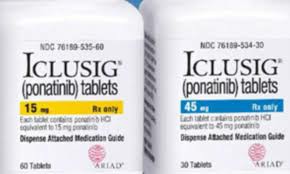
In terms of indications, ponatinib is mainly used for adult patients with chronic, accelerated or acute phase CML and BCR-ABL positive acute lymphoblastic leukemia patients. It is especially suitable for patients with past resistance or intolerance to first- and second-generation TKIs such as imatinib, dasatinib or nilotinib. In addition, for patients carrying the T315I mutation, ponatinib is almost the only effective oral TKI option, which can significantly inhibit the proliferation of mutant leukemia cells and prolong progression-free survival and overall survival.
In the Medication Reference Guide, the use of ponatinib emphasizes individualization and risk management. Patients need to undergo blood pressure, cardiovascular assessment, and liver and kidney function tests before taking the drug to select the appropriate dose and monitor potential toxic and side effects. Low-dose 15 mgtablets are suitable for patients at high risk of thrombotic events or for maintenance therapy, while initial high-dose should be used under strict clinician supervision. During medication, it is very important to regularly monitor blood routine, liver and kidney function and cardiovascular indicators. Once serious adverse reactions occur, the dose should be adjusted in time or the medication should be suspended.
Long-term observation shows that the low-dose regimen of ponatinib15mg significantly reduces the risk of side effects while maintaining blood disease control. For patients, reasonable dose selection, regular follow-up and health management are the keys to ensuring efficacy and safety. In addition, combined supportive care such as antiplatelet drugs or lifestyle intervention can further reduce cardiovascular risk. Overall, ponatinib 15 mg tablets provide a safe and controllable treatment option for drug-resistant or high-risk CML/ALL patients, laying the foundation for personalized precision treatment.
Keyword tag:
Ponatinib,Ponatinib, CML, ALL, pan>BCR-ABL, T315IMutation, dosage strength, indications, medication guide, side effect management, cardiovascular risk
Reference materials:https://pubmed.ncbi.nlm.nih.gov/29029002/
[ 免责声明 ] 本页面内容来自公开渠道(如FDA官网、Drugs官网、原研药厂官网等),仅供持有医疗专业资质的人员用于医学药学研究参考,不构成任何治疗建议或药品推荐。所涉药品可能未在中国大陆获批上市,不适用于中国境内销售和使用。如需治疗,请咨询正规医疗机构。本站不提供药品销售或代购服务。


