
.jpeg)
Detailed description of the usage and dosage of vorasidenib-VORANIGO and the clinical medication regimen for patients at different stages.
Vorasidenib-VORANIGO It is an oral small molecule IDH1/2 inhibitor, mainly used to treat patients with low-grade glioma or recurrent / refractory brain tumors with IDH1 or IDH2 mutations. Its pharmacological mechanism is by inhibiting mutant isocitrate dehydrogenase (IDH) and reducing the accumulation of 2-hydroxyglutarate (2-HG), thereby restoring normal cell metabolism and delaying tumor progression. According to different clinical trials and patient conditions, the usage, dosage, and dosing strategies of vorsidenib vary, and medical instructions and monitoring protocols need to be strictly followed.
Generally, the conventional oral dosage for adult patients is 40mg once a day, and should be used continuously until disease progression or intolerable toxic side effects occur. In early clinical studies, this dose has shown good blood concentration maintenance and efficacy, while the adverse reactions are controllable. During the medication period, patients need to regularly review blood routine, liver and kidney function and imaging examinations in order to evaluate the efficacy and adjust the dose in a timely manner. For special groups, such as patients with mild or moderate impairment of liver function, extending the dosing interval or temporarily reducing the dose may be considered, but this must be done under the guidance of a professional physician.
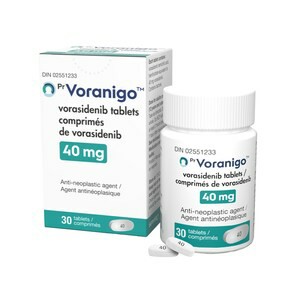
During different disease stages, the dosage regimen of vorsidenib has also been adjusted. For patients with newly treated low-grade glioma, the regimen of continuous oral administration of 40 mg once a day is usually adopted, combined with regular imaging evaluation to determine the efficacy, and the medication is continued after the condition is stable to delay recurrence. For relapsed or refractory patients, the treatment cycle can be extended while ensuring tolerability, while paying attention to changes in tumor burden and potential toxic reactions. If the patient experiences obvious side effects, such as elevated liver enzymes, dyslipidemia, or nervous system discomfort, the medication should be suspended and restarted or the dose adjusted after the symptoms are relieved or the indicators return to a safe range.
Precautions for taking Voxanib include taking it on an empty stomach or within one hour after eating, but the medication should be taken at a fixed time every day to maintain stable blood concentration. In addition, concomitant use with strong CYP3A inhibitors or inducers should be avoided to avoid affecting drug metabolism and efficacy. During the long-term treatment process, doctors will develop an individualized medication plan based on the patient's age, weight, disease progression rate, and concomitant medication to ensure maximum efficacy while reducing the risk of adverse events. Overall, the clinical medication regimen of vorsidenib emphasizes precise individualization and continuous monitoring, making it an important treatment option for patients with IDH mutant glioma.
Keyword tag:
Vorasidenib,Vorasidenib,VORANIGO, IDH1/2 inhibitor, glioma, usage and dosage, clinical protocol, indications, precautions, drug interactions
Reference materials:https://www.drugs.com/vorasidenib.html
[ 免责声明 ] 本页面内容来自公开渠道(如FDA官网、Drugs官网、原研药厂官网等),仅供持有医疗专业资质的人员用于医学药学研究参考,不构成任何治疗建议或药品推荐。所涉药品可能未在中国大陆获批上市,不适用于中国境内销售和使用。如需治疗,请咨询正规医疗机构。本站不提供药品销售或代购服务。


