
.jpeg)
Therapeutic advantages of tofacitinib (Shangjie) when combined with or compared with methotrexate
Tofacitinib and methotrexate (MTX) are often discussed in the treatment of immune diseases such as rheumatoid arthritis, whether to be used in combination or to be compared separately. The two are complementary in mechanism and therefore present different therapeutic advantages in clinical practice. Tofacitinib, as a JAK inhibitor, inhibits the production of inflammatory factors by blocking the JAK-STAT signaling pathway and has a rapid onset of action; while methotrexate, as a traditional DMARD, can reduce immune system activity and delay joint destruction. The two control inflammation from different aspects, so combined treatment can often achieve more stable symptom improvement and structural protection, which is one of the common treatment ideas in the guidelines.
From the perspective of efficacy, tofacitinib is more prominent in some patients who are refractory or have poor response to methotrexate, and are often used as an upgrade option after traditional DMARDs are ineffective. Studies have shown that for some patients with unsatisfactory response to methotrexate, the addition of tofacitinib can significantly reduce joint swelling and pain, improve morning stiffness, and improve quality of life; while the improvement in patients treated with methotrexate alone is relatively limited. Therefore, in clinical practice, tofacitinib is often used to make up for the efficacy bottleneck of methotrexate and improve the overall level of disease control.
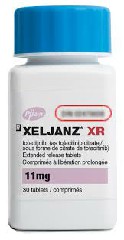
Combining tofacitinib with methotrexate also has its typical advantages. First, the two action pathways are complementary, allowing combined treatment to achieve a higher remission rate in a shorter period of time; second, for patients with rapidly progressing joint destruction, the combined regimen can better delay disease progression and reduce the risk of radiographic structural damage. In addition, for patients who have developed resistance or insufficient efficacy to other biologics or DMARDs, combination regimens often provide another effective option, but require closer monitoring to ensure safety.
In terms of safety and usage experience, the combination of the two may increase the risk of adverse reactions, such as fluctuations in liver function and increased risk of infection. Therefore, clinical options need to be selected based on the specific conditions of the patient. If the patient has poor liver function, is susceptible to infection, or has poor tolerance to MTX, then tofacitinib monotherapy is more suitable; if the patient tolerates methotrexate well and needs stronger disease control, combination therapy is more effective. Generally speaking, both have their own advantages, and the final plan needs to be individualized based on the severity of the disease, the patient's constitution, and previous drug reactions.
Keyword tag:
Tofacitinib, Shangjie,JAKinhibitors, rheumatoid arthritis, methotrexate, combination therapy, efficacy comparison, treatment advantages, safety and use experience References:https://medlineplus.gov/druginfo/meds/a613025.html
[ 免责声明 ] 本页面内容来自公开渠道(如FDA官网、Drugs官网、原研药厂官网等),仅供持有医疗专业资质的人员用于医学药学研究参考,不构成任何治疗建议或药品推荐。所涉药品可能未在中国大陆获批上市,不适用于中国境内销售和使用。如需治疗,请咨询正规医疗机构。本站不提供药品销售或代购服务。


