
.jpeg)
Generational division of pyrotinib/arini targeted drugs
Pyrotinib Maleate (Pyrotinib Maleate) is a targeted drug, and its pharmacokinetic characteristics are particularly important during treatment. Drug generation classification refers to the absorption, distribution, metabolism and excretion (ADME) characteristics of drugs in the body, which determines the bioavailability, duration of action and side effects of drugs.
The pharmacokinetic characteristics of pyrotinib are first reflected in its good absorption. After oral administration, pyrotinib is rapidly absorbed and plasma concentrations peak within a short period of time, allowing the drug to take effect in a shorter period of time. The drug has high bioavailability and can effectively achieve its efficacy in breast cancer patients.
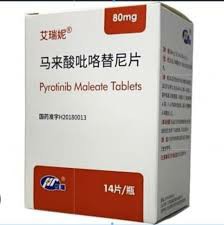
In terms of distribution, pyrotinib can be rapidly distributed throughout the body and is particularly able to penetrate the blood-brain barrier. This property makes it effective in treating patients with brain metastases from breast cancer. The drug has a high plasma protein binding rate, which also means that the drug can stably maintain therapeutic concentrations, thereby achieving lasting therapeutic effects. The metabolism of pyrotinib mainly depends on the cytochromeP450 enzyme system in the liver. Drug metabolites are active and can prolong the action of the drug. Because its metabolic process does not involve strong enzyme induction or inhibition, it has fewer interactions with other drugs.
In terms of excretion, pyrotinib is mainly excreted through the kidneys and a small amount through the biliary tract. Its half-life is long, usually 24 hours, which allows patients to take it once a day to maintain a relatively stable blood concentration. In addition, the renal excretion properties of pyrotinib also make it suitable for use in most patients with normal renal function.
In summary, pyrotinib has relatively ideal pharmacokinetic properties, allowing it to effectively play a role in the treatment of breast cancer and other cancers, while reducing the patient's dosage frequency and improving patient compliance.
Keyword tags: pyrotinib, drug generation division, targeted drugs, drug metabolism, absorption, distribution, excretion, pharmacokinetics, half-life, blood-brain barrier
Reference materials:https://www.oncology-central.com/a-retrospective-real-world-study-of-pyrotinib-in-her-2-positive-advanced-breast-cancer/
[ 免责声明 ] 本页面内容来自公开渠道(如FDA官网、Drugs官网、原研药厂官网等),仅供持有医疗专业资质的人员用于医学药学研究参考,不构成任何治疗建议或药品推荐。所涉药品可能未在中国大陆获批上市,不适用于中国境内销售和使用。如需治疗,请咨询正规医疗机构。本站不提供药品销售或代购服务。


