
.jpeg)
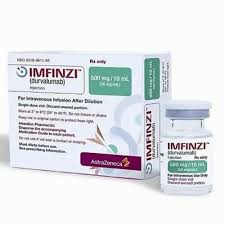
Durvalumab (durvalumab) standard usage and dosage and instructions for individualized regimens for different patients
Durvalumab (Durvalumab) is a humanized monoclonal antibody that belongs to the immune checkpoint inhibitor class of drugs. By blocking the combination of PD-L1 and PD-1, it activates the patient's own immune system, thereby enhancing the ability to attack tumor cells. In standard usage, adult patients usually use intravenous infusion at a dose of 10 mg/kg of body weight once every two weeks, or a fixed dose of 1500 mg once every four weeks. The administration time is approximately 60 minutes. The specific dose selection can be adjusted according to the patient's weight, tolerance and clinical needs.
The usage of durvalumab is slightly different in different cancer types. For example, for patients with locally advanced unresectable non-small cell lung cancer (NSCLC), maintenance therapy can be performed after receiving standard radiotherapy and chemotherapy, with a recommended course of treatment of up to one year; in advanced treatment of small cell lung cancer or bladder cancer, it can be used as maintenance therapy. The use, dosage and dosing interval of single-agent immunotherapy are slightly adjusted from NSCLC, but the principle still follows the PD-L1 expression level and the patient's clinical condition to formulate a plan.
In terms of individualized medication, the patient's liver and kidney function, age, weight, and previous treatment history may affect dosage selection. For patients with hepatic or renal insufficiency, there is usually no need to adjust the dose, but toxic and side effects such as immune-related hepatitis, thyroid dysfunction, etc. need to be closely monitored. For elderly patients or those with weak constitutions, the dosing interval can be appropriately extended or the course of treatment can be delayed based on tolerance to reduce the risk of serious adverse events.
In addition, during treatment, it is necessary to develop an individualized treatment course and monitoring plan based on the patient's concomitant medications and disease status. For example, when combined with radiotherapy or chemotherapy, attention should be paid to bone marrow suppression and immune system response; in patients with chronic diseases, potential infection risks and the activation of autoimmune diseases need to be evaluated. By combining standard dosage with individualized adjustment, the efficacy of durvalumab can be maximized while ensuring patient safety.
Keyword tags: durvalumab, usage and dosage, individualized regimen, PD-L1 inhibitor, non-small cell lung cancer, immunotherapy, dose adjustment, special populations.
Reference:https://en.wikipedia.org/wiki/Durvalumab
[ 免责声明 ] 本页面内容来自公开渠道(如FDA官网、Drugs官网、原研药厂官网等),仅供持有医疗专业资质的人员用于医学药学研究参考,不构成任何治疗建议或药品推荐。所涉药品可能未在中国大陆获批上市,不适用于中国境内销售和使用。如需治疗,请咨询正规医疗机构。本站不提供药品销售或代购服务。


